The right color for a brown couch depends on how dark your room already is, because brown absorbs light and the paint, pillows and bulbs around it have to make up the difference.
The ideas here run from a few cream pillow covers and a sample swatch of warm white to a painted dark green wall or a full 70s palette of orange walls and a yellow velvet chair.
A dim room with small windows does best with a light brown couch, cream and white accents, and warm bulbs (covered in Lighting Considerations).
A bright room can carry bold wall colors, moody brown drama, or deep tones like those in the old-world library look.
1. Neutral Living Room Colors
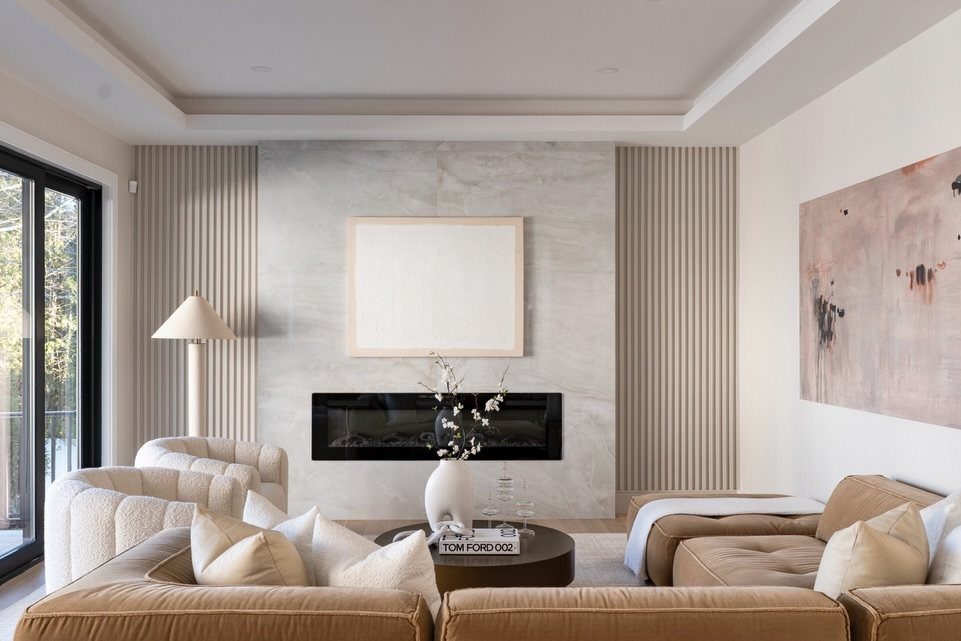
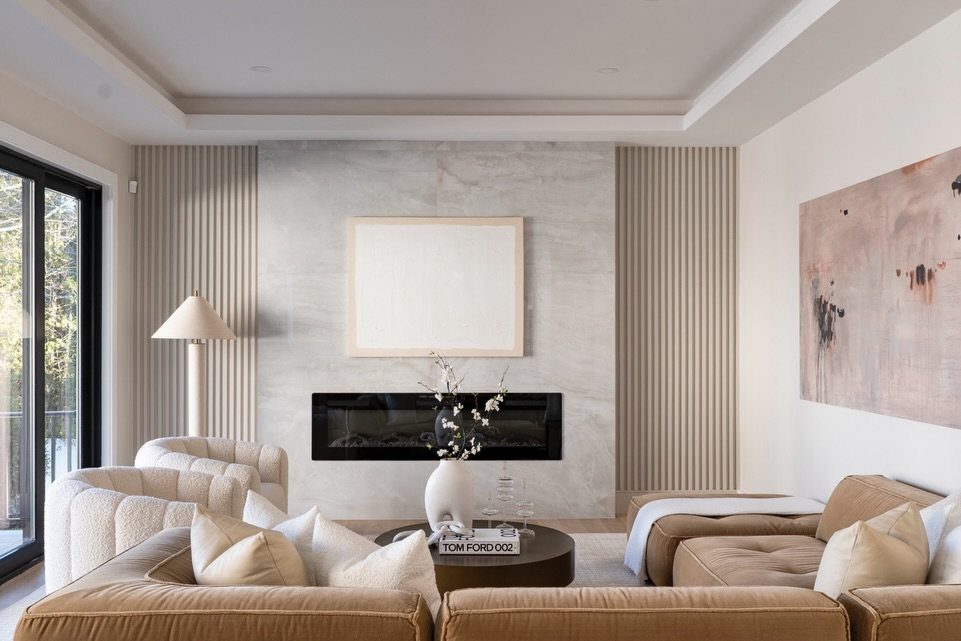
Warm whites and soft beiges let a brown leather sectional be the one dark mass in the room. I like this approach because paint, chairs and a throw are cheap to change, while the couch is not.
Choose whites with a creamy undertone, since stark white next to brown can look cold.
Test a sample swatch on the wall for a day before buying a gallon. Textured fabric on the chairs keeps an all-neutral room from going flat.
2. Dark Brown Tufted Sofa
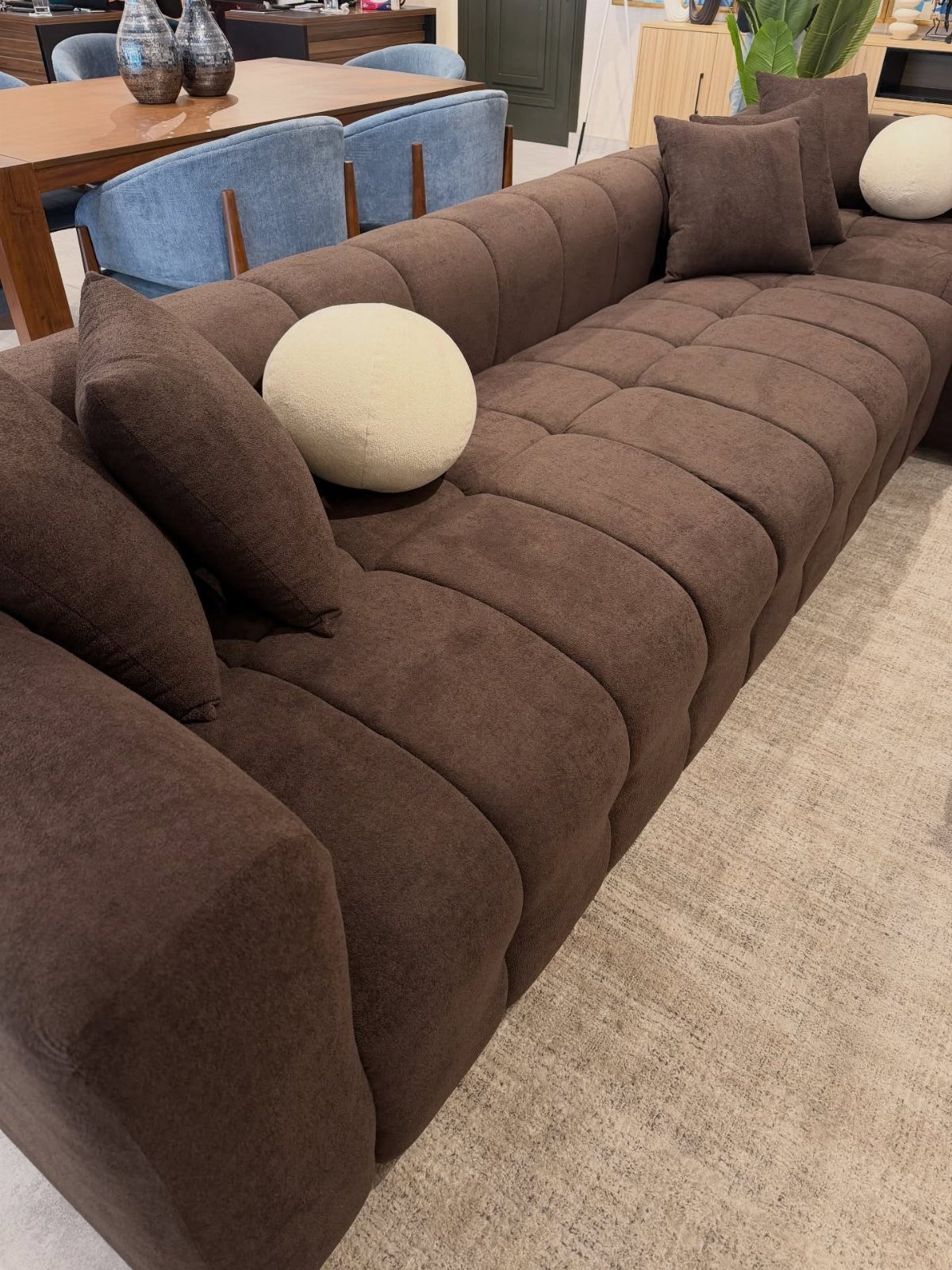
A dark brown tufted sofa holds its own, so the rest of the room can stay quiet. Cream and brown pillows in mixed round and square shapes break up the long line without adding a new color.
A beige rug underneath lightens the whole setup, and I would pick one that runs large enough for the front legs to sit on it. Blue chairs nearby give a cool counterpoint to all that brown.
3. Lean Into Rustic Touches
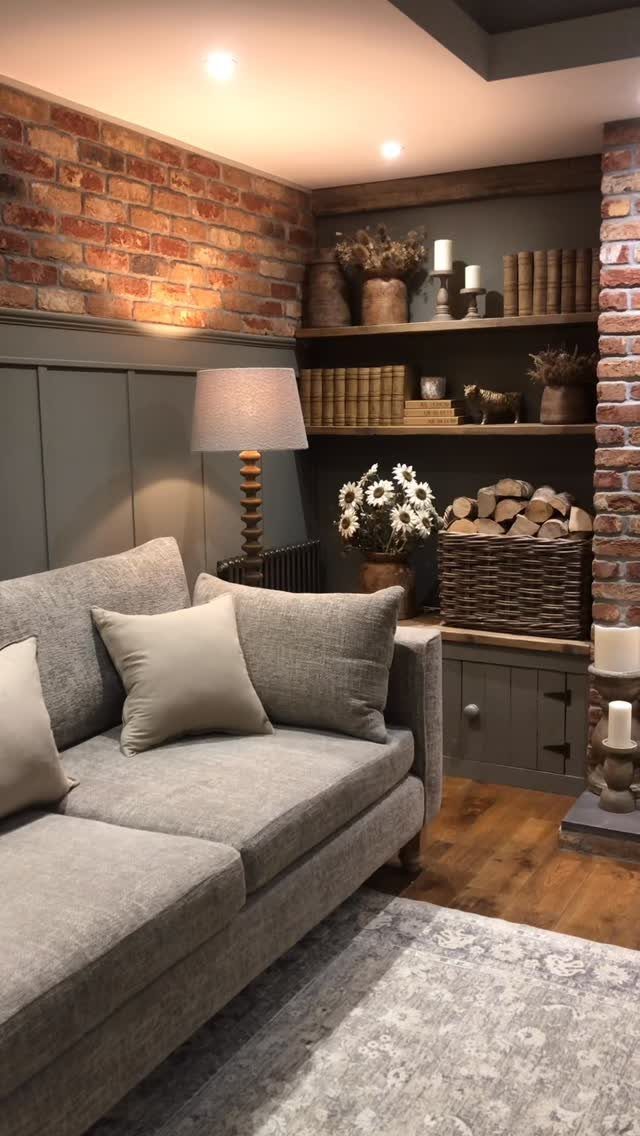
Rustic pulls together when each material has a job: brick for texture, dark paneling for depth, wood shelves for warmth. A grey-brown sofa sits comfortably among them because it borrows from all three.
Skip matching sets.
A basket of firewood and shelves of real books add more character than any decor haul, and both cost very little. Keep the lamp light warm, since cool bulbs flatten brick fast.
4. Layer in a 70s Color Palette
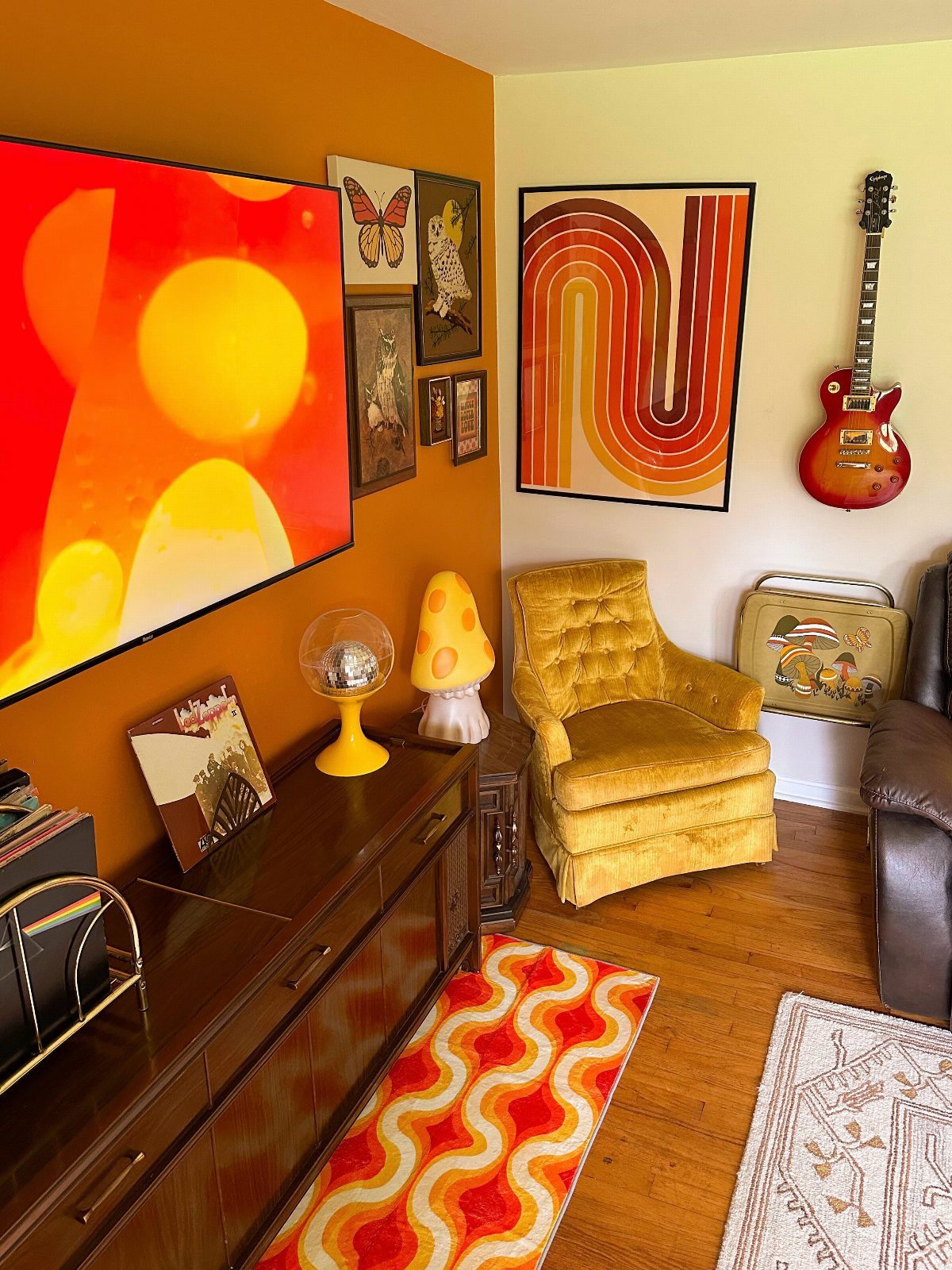
Orange walls, a yellow velvet chair and a wavy retro rug turn a plain brown couch into the anchor of a 70s room. Brown is already a native 70s color, so you are building around it, not fighting it.
Paint one wall and buy one velvet chair secondhand.
A mid-century sideboard and a loud piece of wall art finish it. Stop before the palette gets tiring.
5. Old-World Library
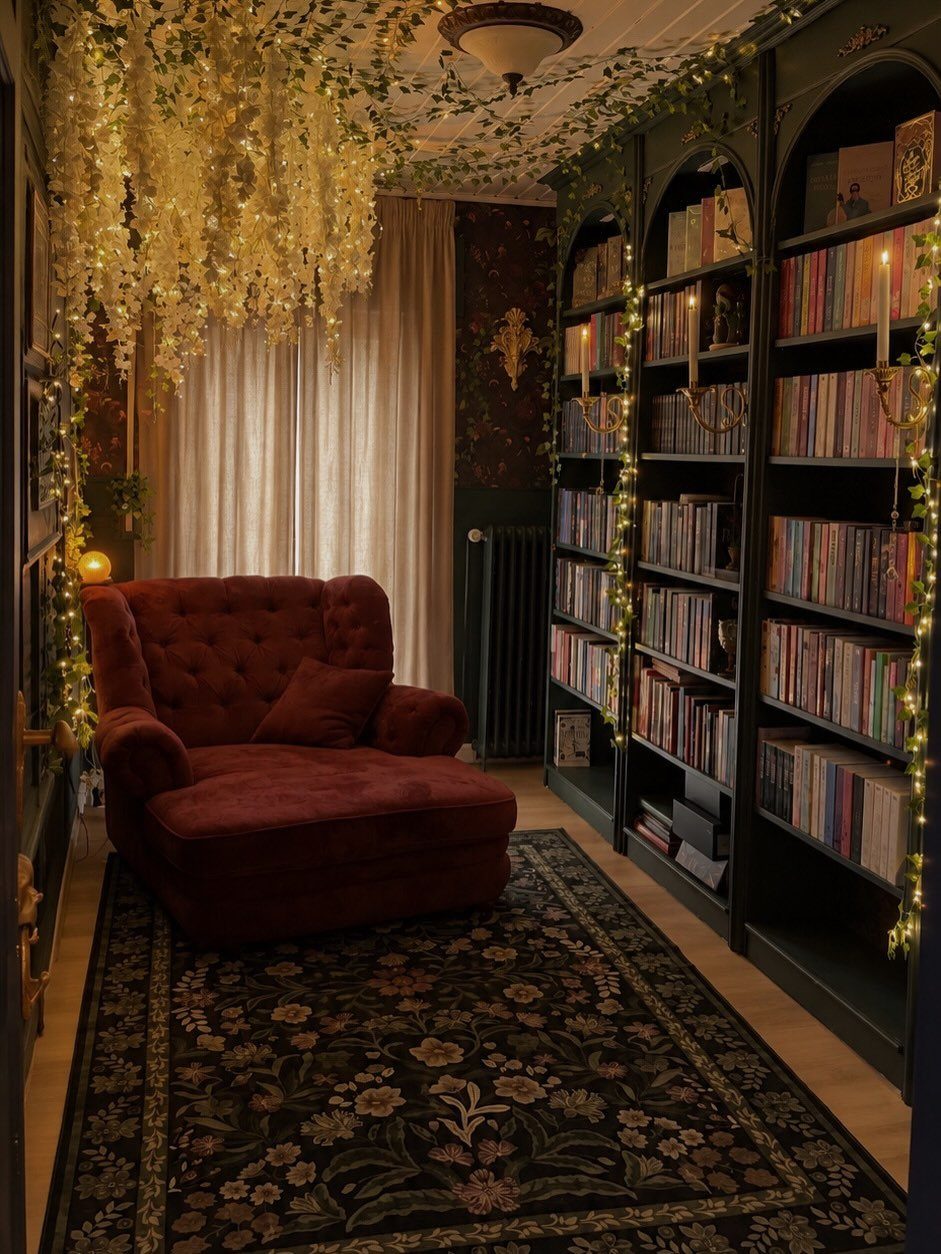
Deep red and dark green sit across from each other on the color wheel, and together they give a room the hush of an old library. A tufted burgundy chaise, green shelves and a floral rug do the heavy lifting.
Painting bookshelves is a weekend job and the cheapest way to get this look.
Fill them densely. Hanging vines with fairy lights soften the gloom, though I would keep the bulbs warm and low.
6. Whimsical Patterns in Pillows
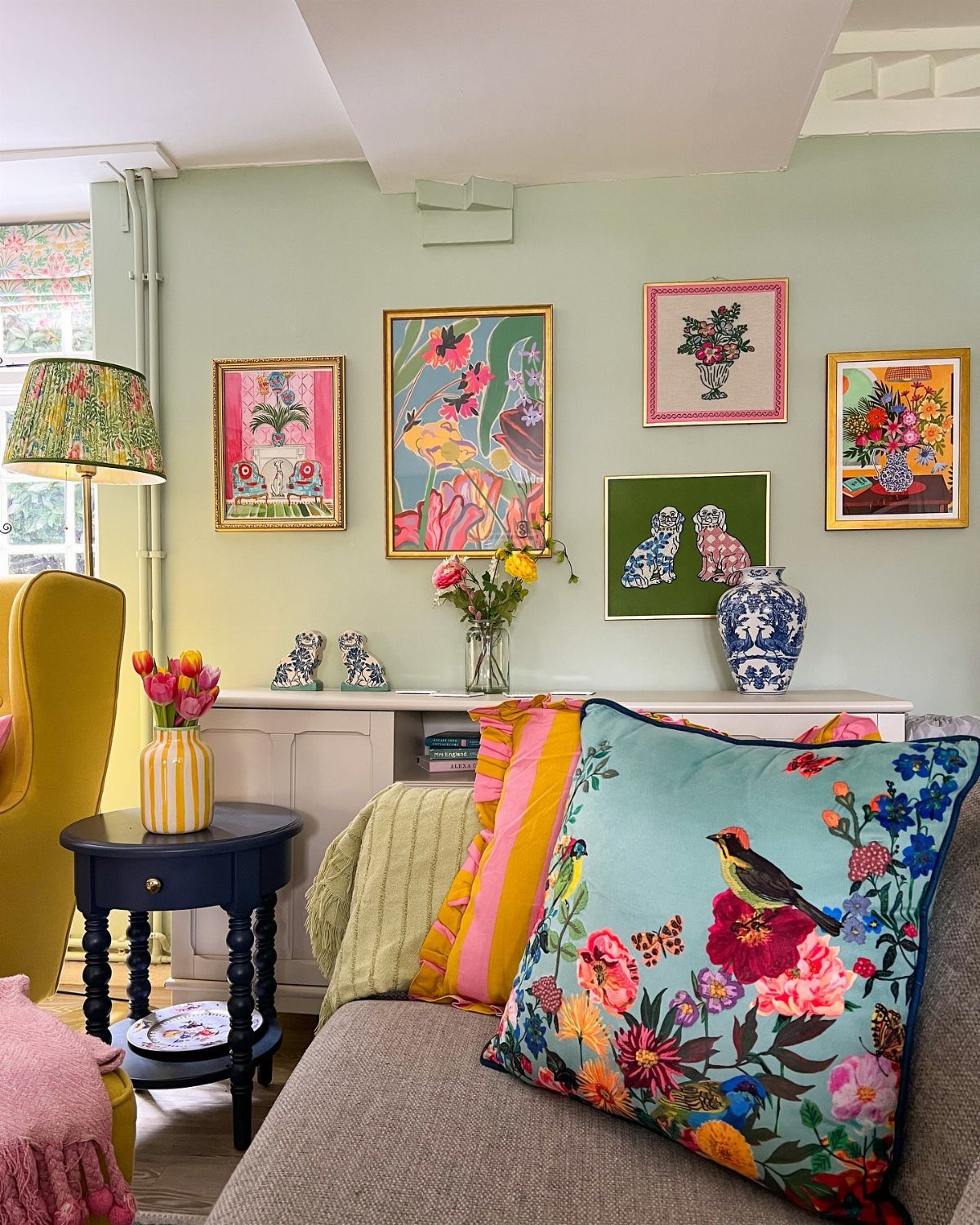
Patterned pillows are the lowest-risk way to bring color to a brown couch. Florals in several colors pull the eye up and off the brown, and covers cost far less than new pillow inserts.
Mix scales: one large print, one small, and a plain color to rest on. Pick two or three shades already in the room, like the yellow chair or blue table, and repeat them.
7. Walnut and Oak
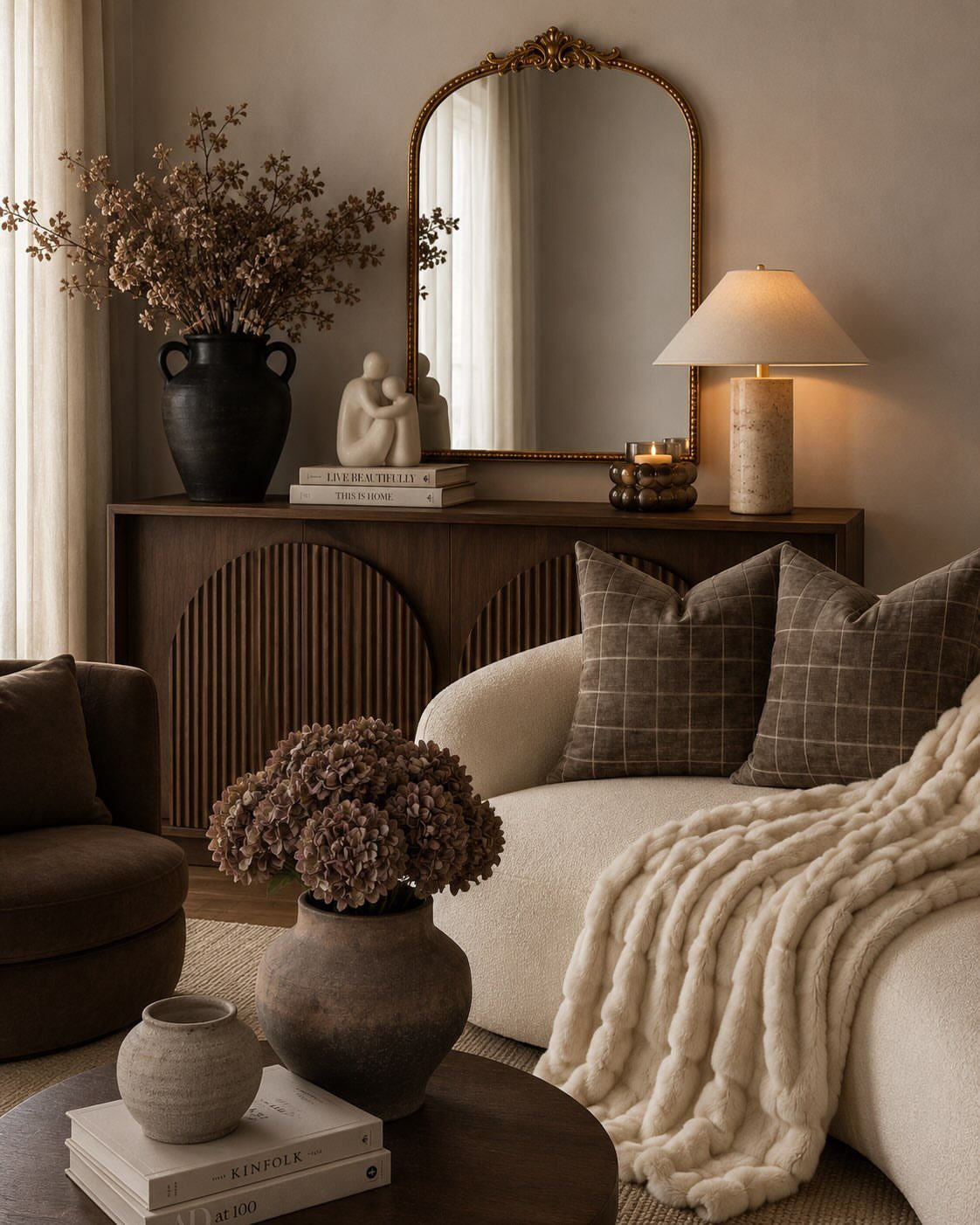
Walnut and oak work together when one wood is dark and the other is light. A dark walnut sideboard behind a cream sofa gives the room its anchor, and a brown armchair carries that depth across the space.
Keep the metal and accessories to one finish.
Gold on the mirror and lamp reads as deliberate next to warm wood. Stack a few books on the sideboard instead of buying more decor.
8. Bold Wall Colors
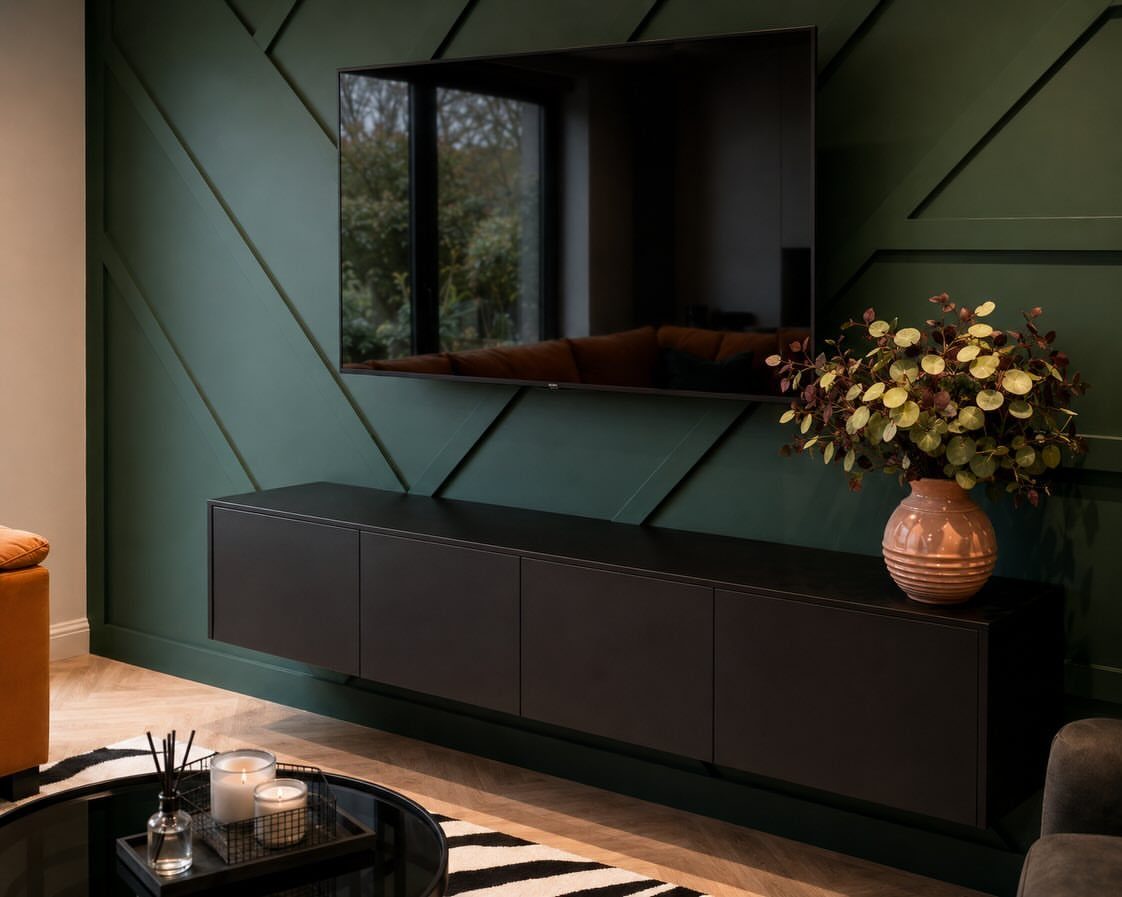
A dark green wall behind a brown couch gives the room a deep backdrop, and the 2 colors share an earthy base so they sit together easily. Paneling or a geometric pattern adds depth that flat paint can’t.
A black floating console and a wall-mounted TV disappear into that green, which is a real reason to pick it for a media wall.
Paint is the cheap part, so test a sample first. Fresh flowers in a vase lighten it.
9. Moody Brown Drama
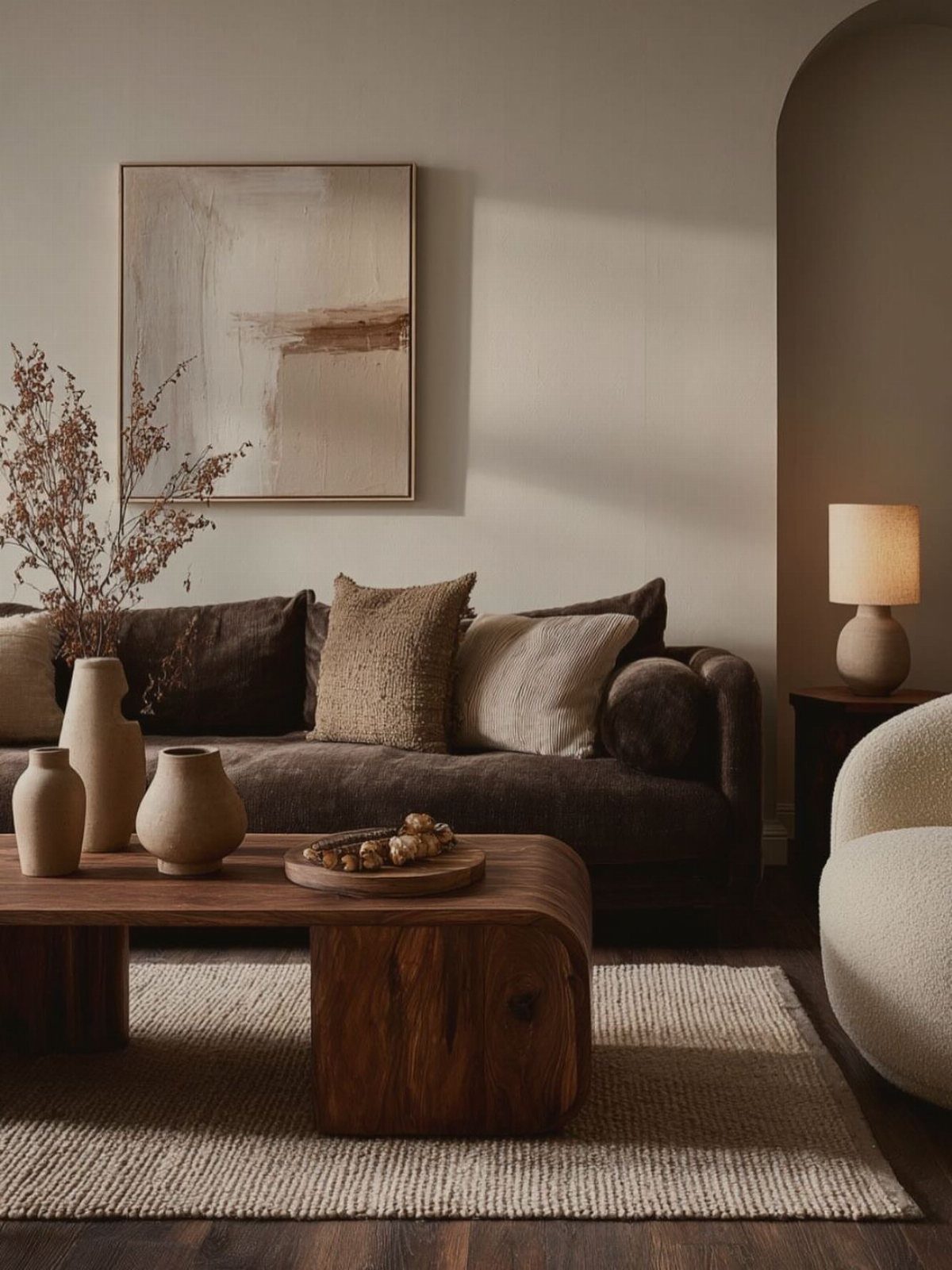
Moody works when the sofa, the table and the light all lean dark and warm.
A dark brown sofa and a chunky wooden coffee table make a heavy pair, so I would let a neutral rug and neutral pillows give the eye somewhere to rest.
One large abstract painting does more than a gallery wall here.
A lamp tucked into a nook adds a pool of low light. Warm bulbs matter; cool ones kill the mood.
10. Try a Light Brown Couch
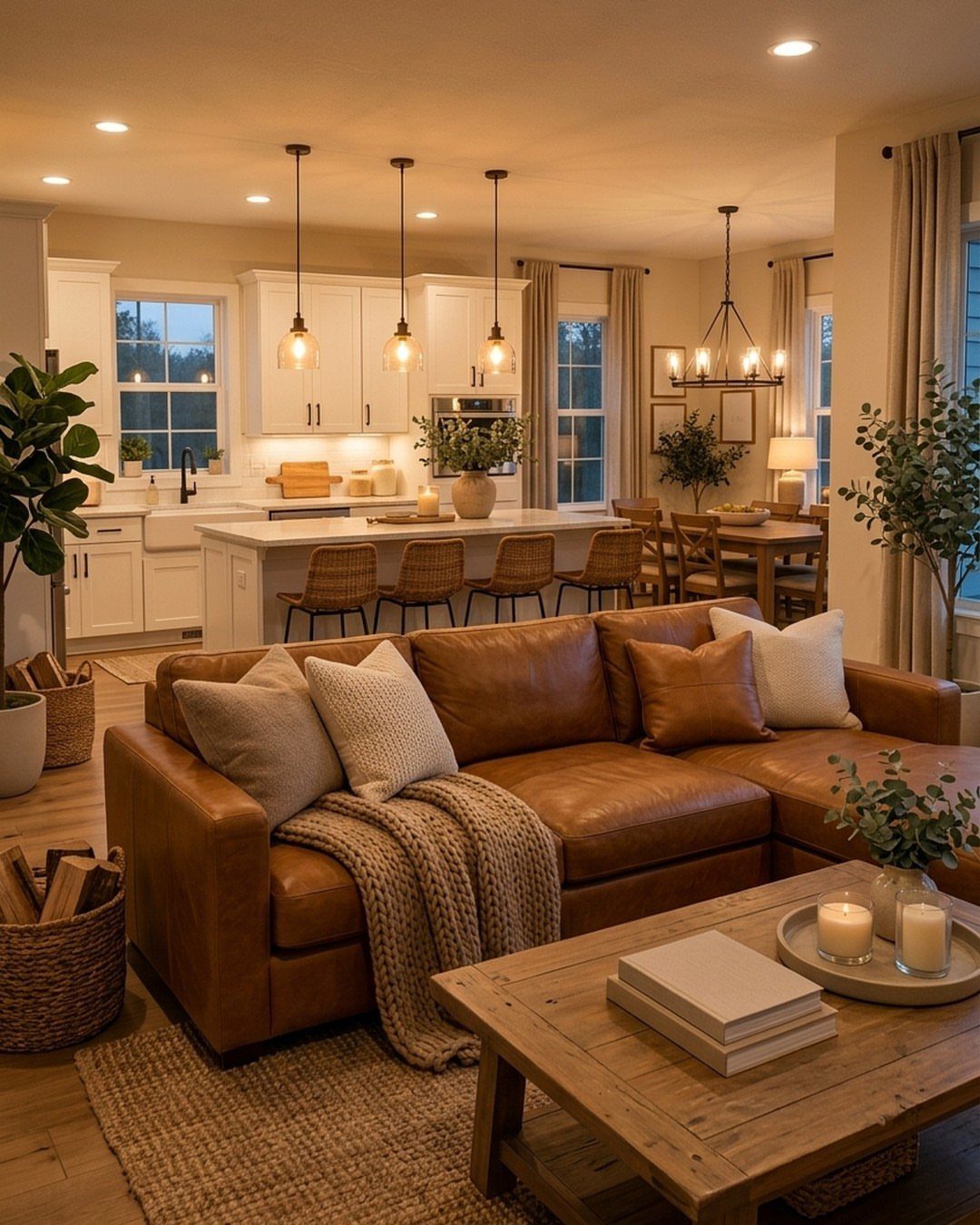
A light brown leather sectional brightens a room without giving up the warmth of brown. In an open living and kitchen space, the lighter shade keeps the big piece from swallowing the floor plan.
Wooden furniture nearby suits it well. If your current couch is dark and the room feels heavy, this is the shade I would try first.
11. Vibrant Orange and Earthy Red Accents
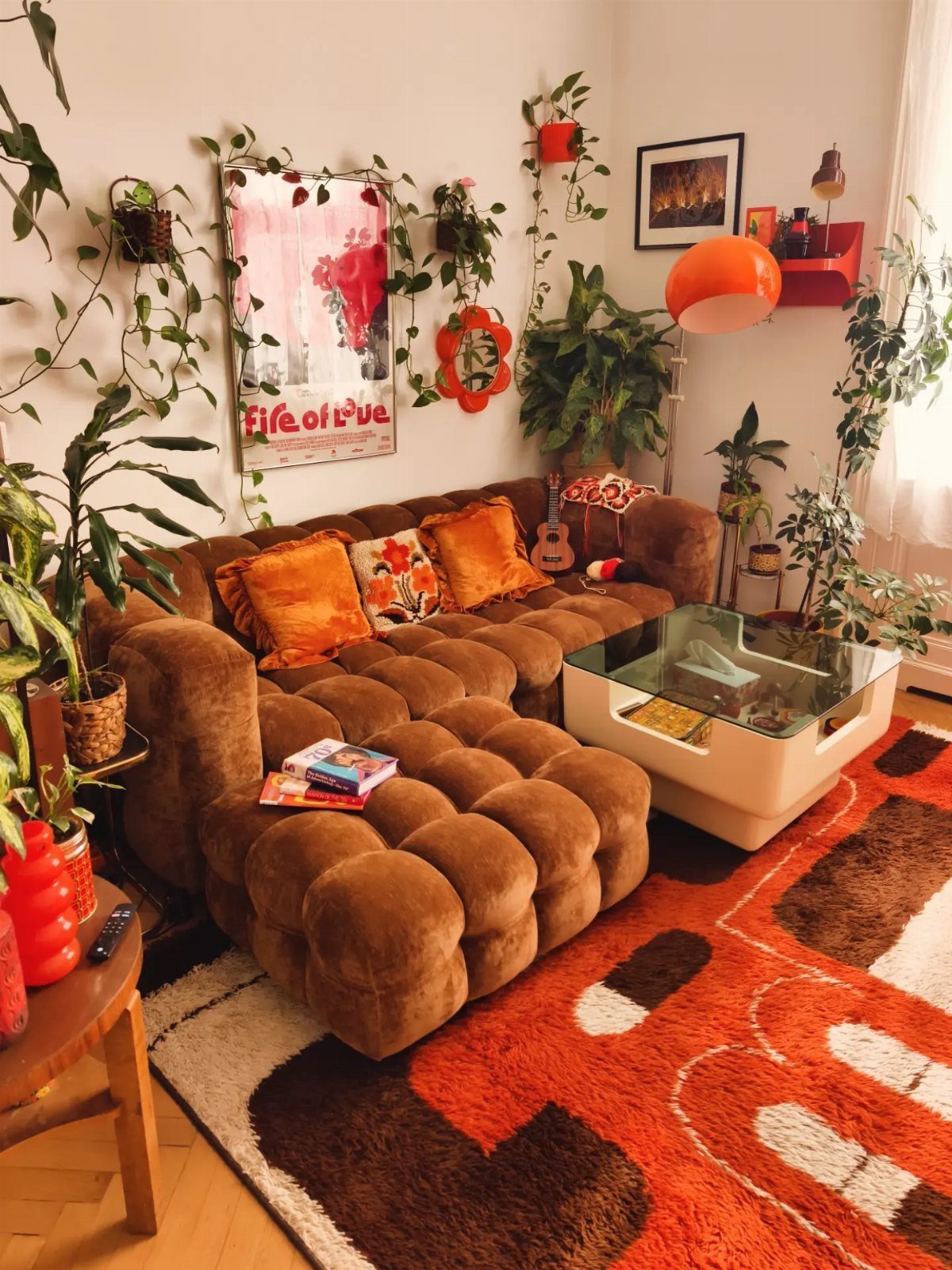
Orange pillows on a brown tufted modular couch are the simplest way to add heat. A red and brown patterned rug picks up the same warmth, so the colors read as one family instead of three.
Green plants keep it from getting too hot, and they cost little.
Start with the pillows and the rug, then add plants one at a time. Stop when the brown still shows.
12. Cream and White Accents
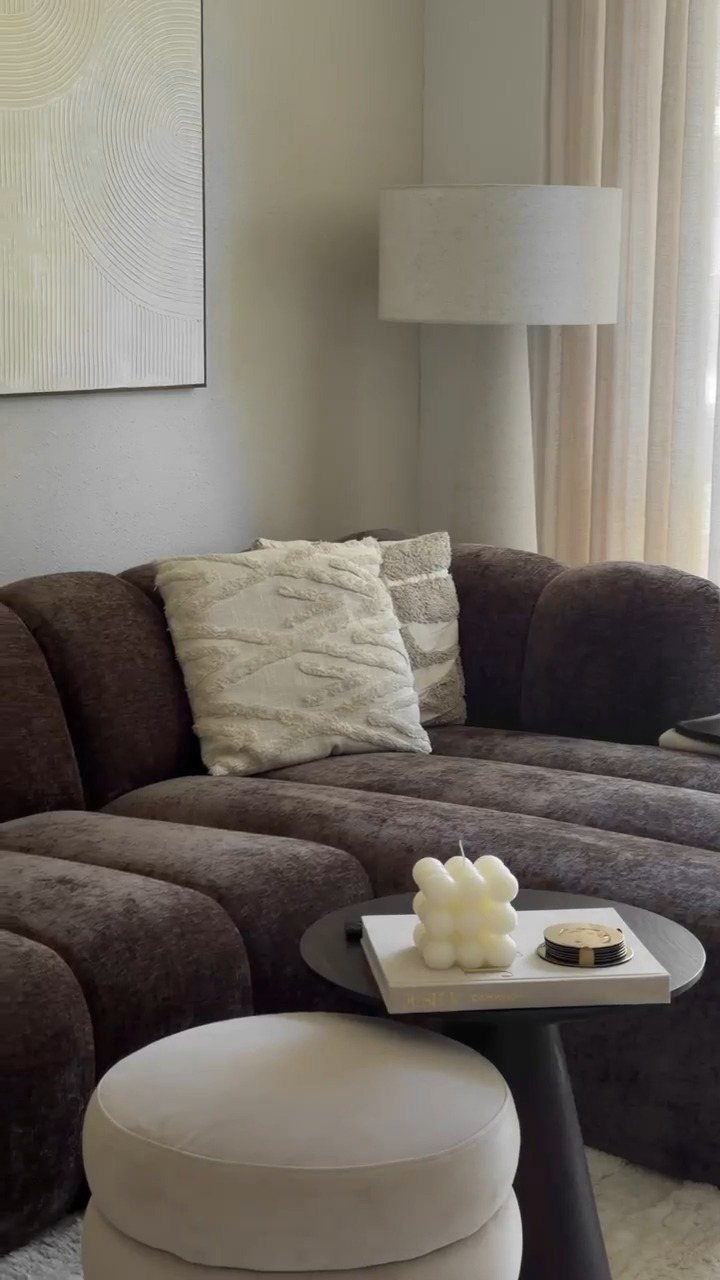
A curved brown sofa looks softer with cream textured pillows, and texture matters more than color here. Choose knits or bouclé-style weaves so the cream doesn’t look flat against the brown.
A round white ottoman echoes the curve of the sofa and works as extra seating. Cream covers are an easy, low-cost swap.
13. Taupe and Earthy Greenery
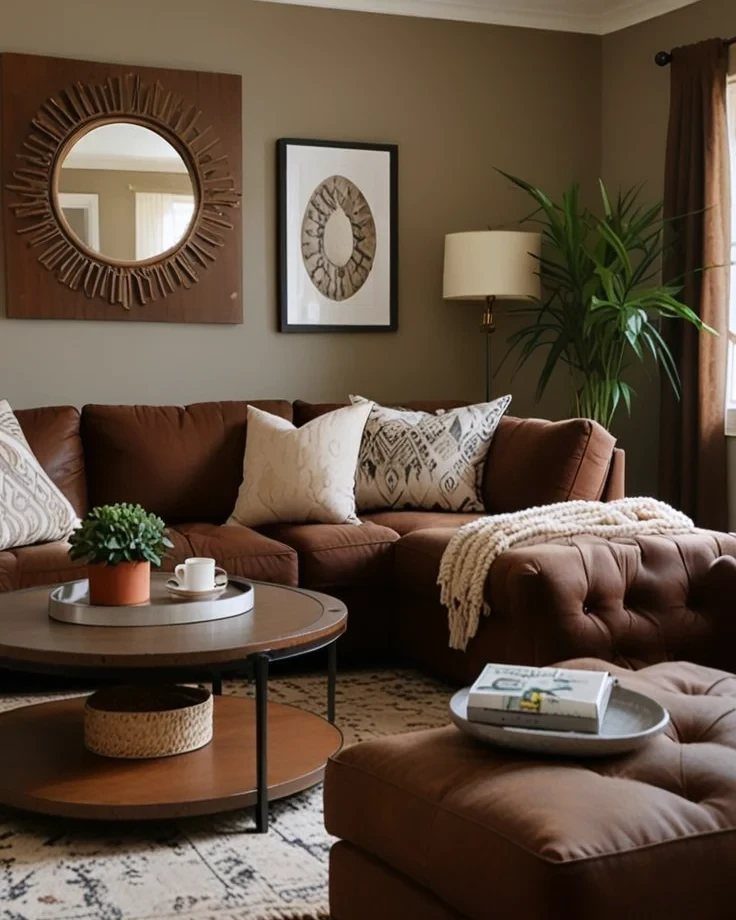
Taupe walls give a brown leather sectional a softer backdrop than white would, because both colors live in the same warm family. The coffee table is round wood, which stops all those sectional corners from running the space.
Leafy houseplants supply the green, and a few are plenty.
Put one large plant near the sofa and a smaller one on a shelf or table. A sunburst mirror on the wall adds a metallic note that suits taupe.
Plants are the cheapest part of this palette, so buy those last and judge the balance by eye.
14. Sleek Modern Marble Contrast
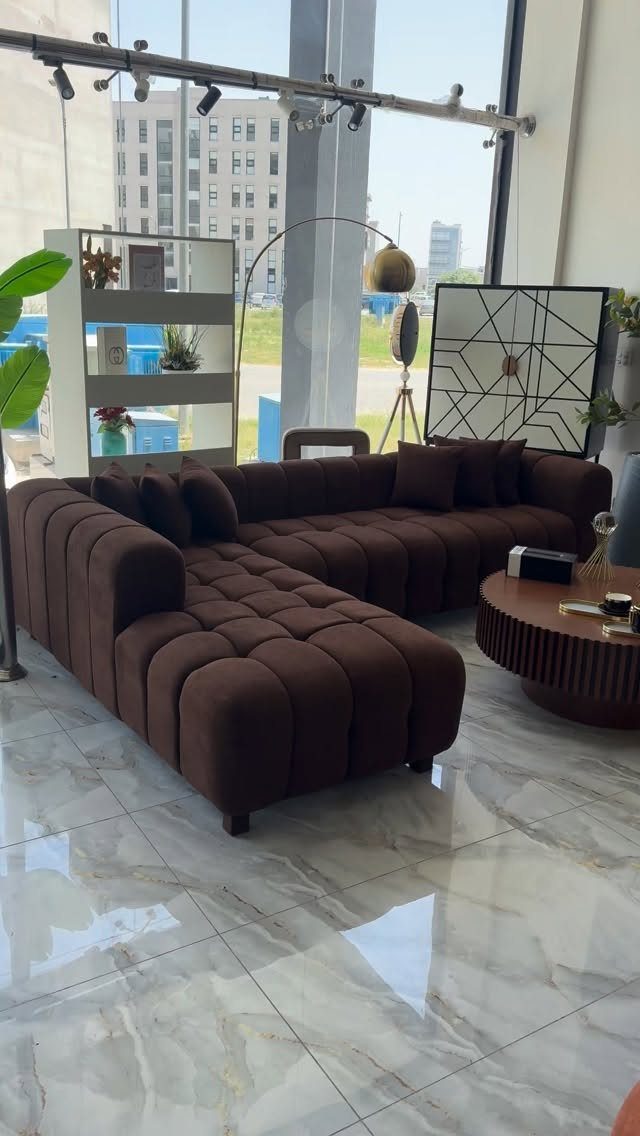
Bright white marble floors make a brown modular tufted sectional look like the warm center of a very cool room. The contrast does the styling, so little else is needed.
I would keep the rest simple: a wooden coffee table to repeat the brown, and a slim floor lamp so the floor stays visible.
Large windows and polished marble bounce light around, so the dark sofa has room to sit without feeling heavy.
A rug is optional here. Skip it if you want the marble to stay the star, or add a neutral one if the stone feels too hard underfoot.
Choosing the Right Colors
Brown is visually heavy, so the colors around it decide whether the room feels cozy or just dim and dated. Balance is the job: warm tones to match it, a few cool ones to relieve it.
Wood tones in the room are a straightforward place to look when you’re deciding what direction to take.
Burnt orange, mustard and a darker red all feel at home next to brown. White pieces and a stack of pillows lighten the visual weight so the sofa doesn’t anchor the room too heavily.
Pick a palette with one clear role for each color: a quiet base, one or two supporting shades, and a single bold accent. Texture on the couch shows up best when the colors around it are calm.
Lighting Considerations
Brown absorbs more light than paler colors, so lighting needs planning. Warm LED bulbs draw out the depth in a brown sofa; cooler bulbs flatten it.
A color that looks right under store lighting can shift completely once it’s in your living room. Check your colors in the morning and again in the evening before you commit.
Natural light helps a lot. Wide windows without heavy treatments keep a brown sofa from feeling too closed in, and matching the sofa’s brown to the trim around the windows connects them.
A sectional keeps the room open and airy, and soft blush pillows with chunky throws add warmth without more brown.
Psychology of Brown
Brown reads as security, grounding and warmth, which is why a brown sofa feels lived-in right away in both modern and traditional rooms.
Supporting colors do specific work:
- Warm neutrals around it make the space feel more welcoming.
- Greens add freshness and calm.
- Blue tones add contrast and a more finished look.
- Earth tones reinforce comfort.
- Bold shades add drama, so use them sparingly.
Decide what you want the room to feel like, then choose the supporting color that matches. A brown couch is a strong starting point once the colors around it bring out its depth and texture.
Brown has undoubtedly been one of the most loved colors to decorate with of late, and for good reason.
Frequently Asked Questions
What are some modern ideas for a brown sofa in a living room?
A bright white marble floor under a brown modular tufted sectional is a sleek modern pairing, and a wooden coffee table plus a slim floor lamp is all it needs.
A dark green wall also works well, since green and brown share an earthy base and a black floating console and wall-mounted TV disappear into it.
Cream bouclé-style pillows on a curved brown sofa soften the look in a quieter way.
Are brown sofas in style?
Yes, brown sofas are back, and they fit the current taste for warm, layered rooms. The couch itself ages fine; how you style the rest of the room decides whether it reads current or stuck in 2008.
What type of rug looks best with a brown sofa?
A light rug, such as beige, lightens the whole setup and gives a dark sofa some contrast. Red and brown patterns keep the warmth going without contrast you don’t want.
What sofa colors will look outdated in 2026?
Brown is not one of them. It is back in style, and the older gray-only look is what feels tired.
If you own a brown sofa, a dated room usually comes from the styling around it, so lighter walls, a lighter rug and a few modern accents bring it up to date.





