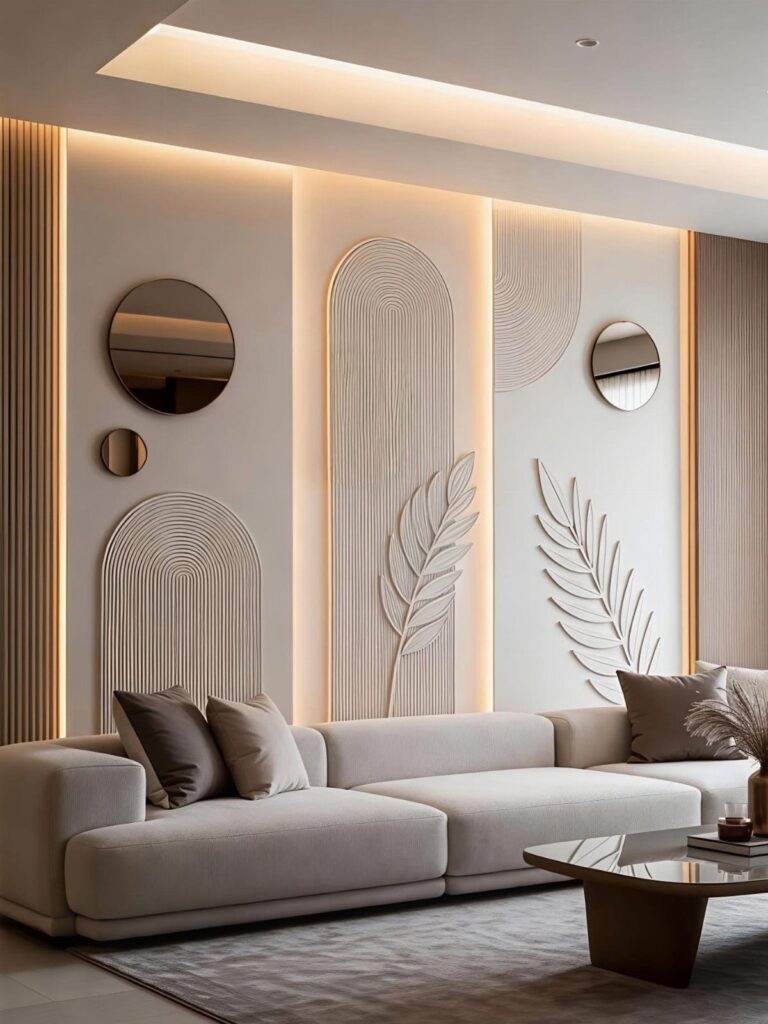
Whether you rent or own decides most of this list: peel-and-stick tile, wallpaper and tapestries on removable hooks come off again, while paneling and built-in shelves are permanent.
Cost runs the same direction, from a mandala tapestry at the cheap end to floor-to-ceiling shelving as the priciest idea here.
Tall units and heavy mirrors need studs or rated anchors, so wall type matters too, and any frame arrangement should be taped out on paper first, with the bottom of the art sitting close above the sofa.
1. Statement Mirror
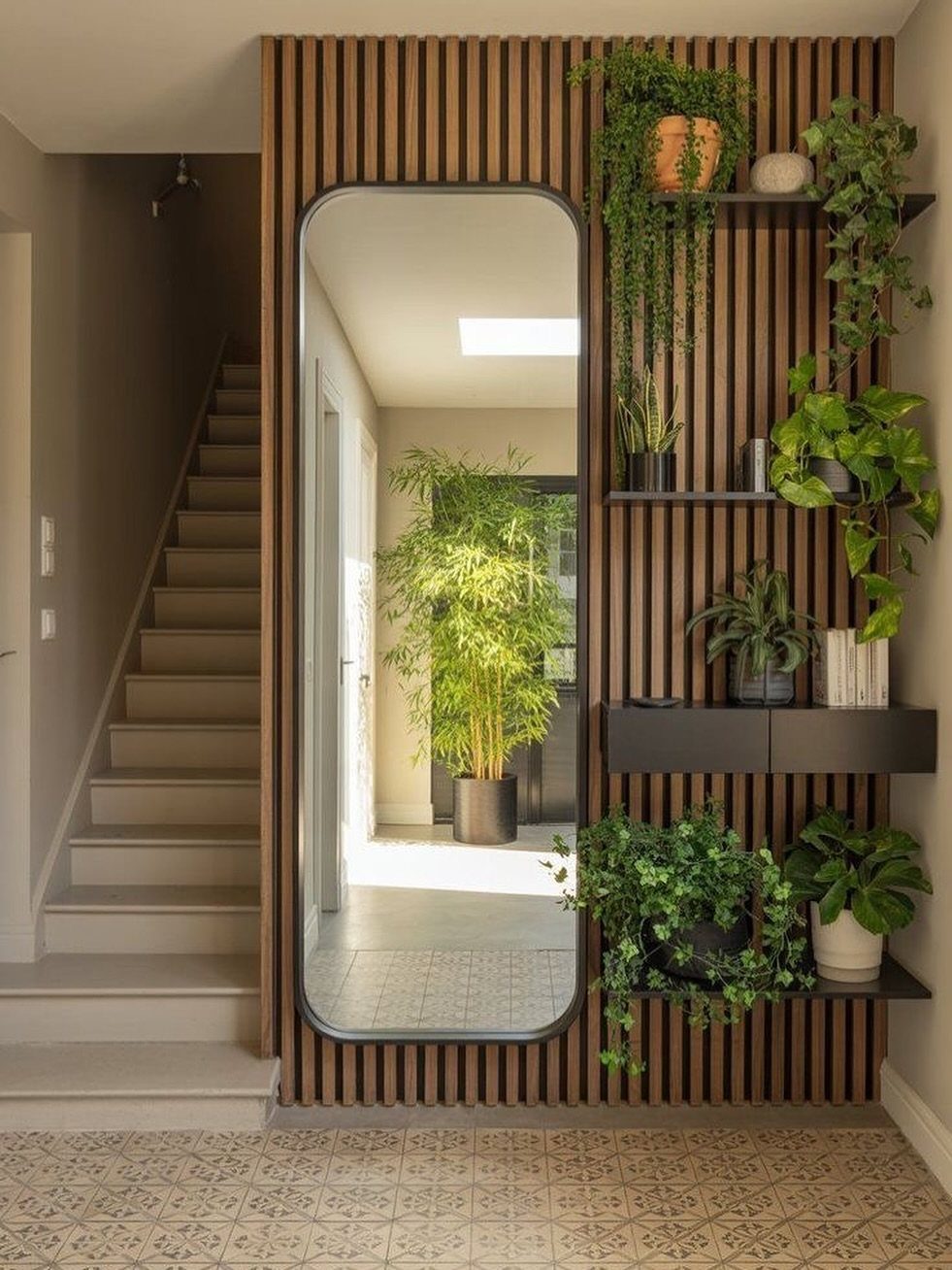
An arched mirror gives a wall of wood slats a soft counterpoint, since the curve breaks up all those straight vertical lines.
I would pick a tall one with a rounded rectangle shape and a slim frame, so the glass does the work and the frame stays quiet.
Hang it where it faces something worth doubling, like the plants on the shelves beside it. Mount it into studs or use rated anchors, because a large mirror is heavy.
2. Gallery Wall
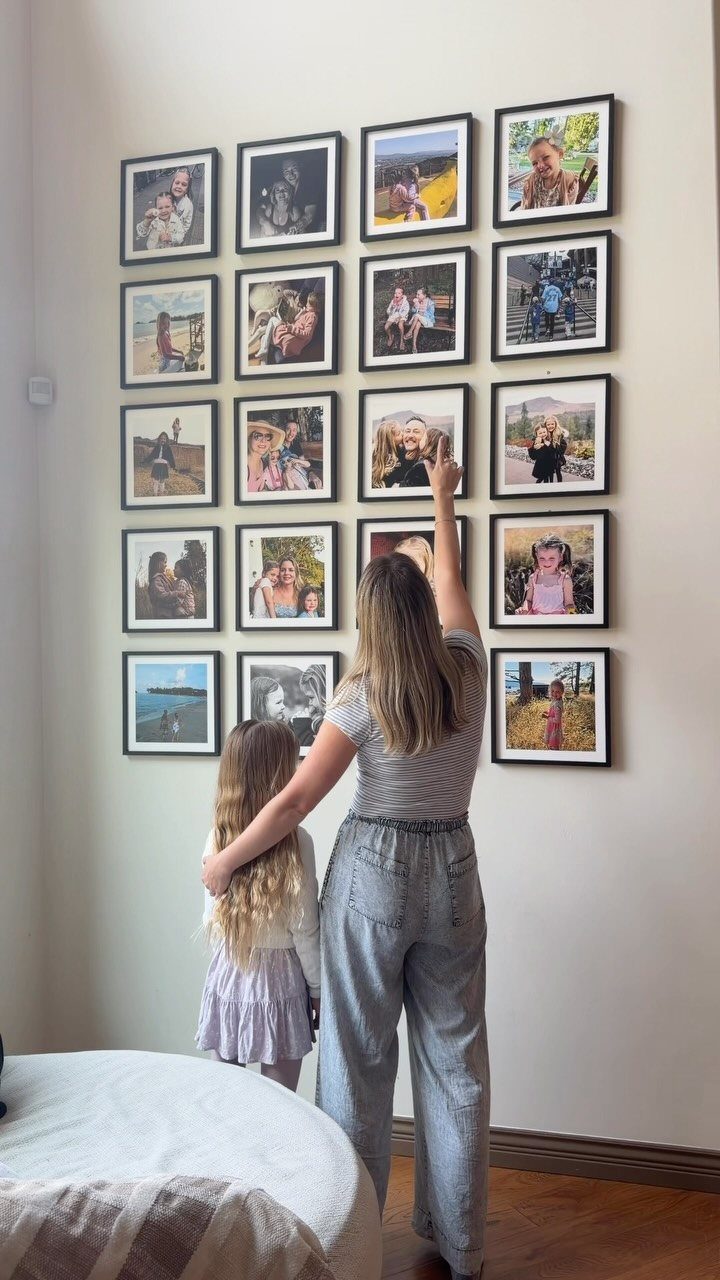
A tight grid makes frames read as one big piece instead of a collection of small ones. Matching frames and even gaps do most of the work, and a white wall keeps the photos in front.
Cut paper templates, tape them up, and adjust before you drive a single nail. It is a good weekend project for a renter on a small budget, since the frames can be bought one or two at a time.
3. Accent Wall
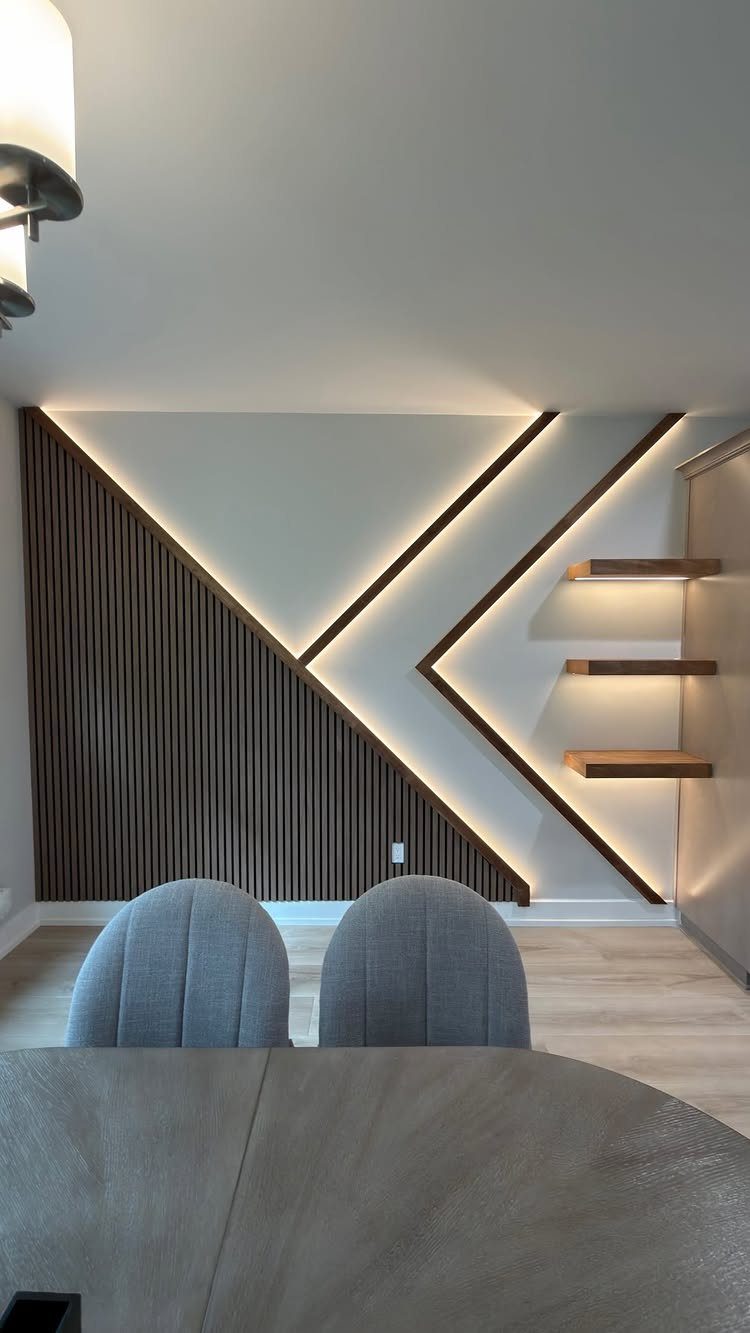
Slats, shelves and a strip of lighting can all live on one wall, and that is what makes this accent wall feel built rather than painted.
Dark wood slats set the mood, and LED strips running on a diagonal add a line that catches the eye from across the room.
Paint is the cheaper route if the budget is tight. Slats cost more and take longer, but they add depth that paint cannot.
4. Oversized Artwork
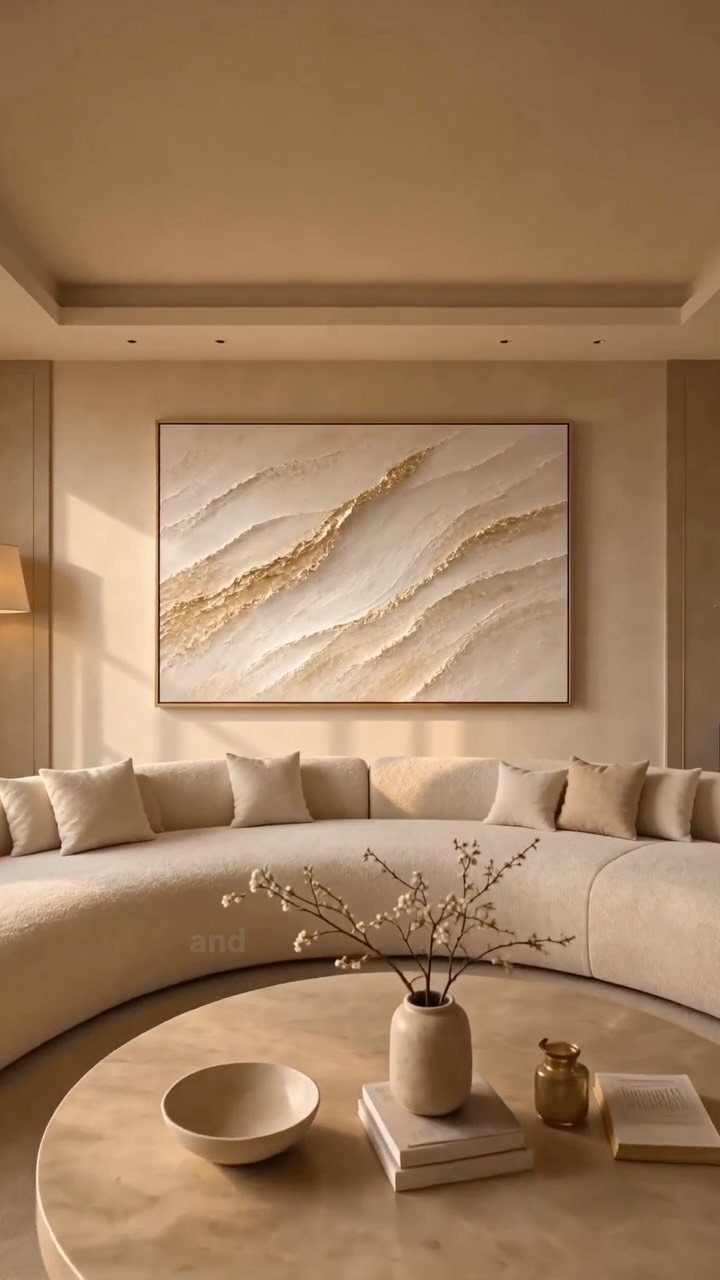
Soft gold and beige tones sit well with cream upholstery, so the art feels part of the room.
Choose a piece that spans most of the sofa’s width, and hang it low enough to feel connected to the furniture. Large canvases are often the better buy than framed prints, and they weigh less.
5. Wall Paneling
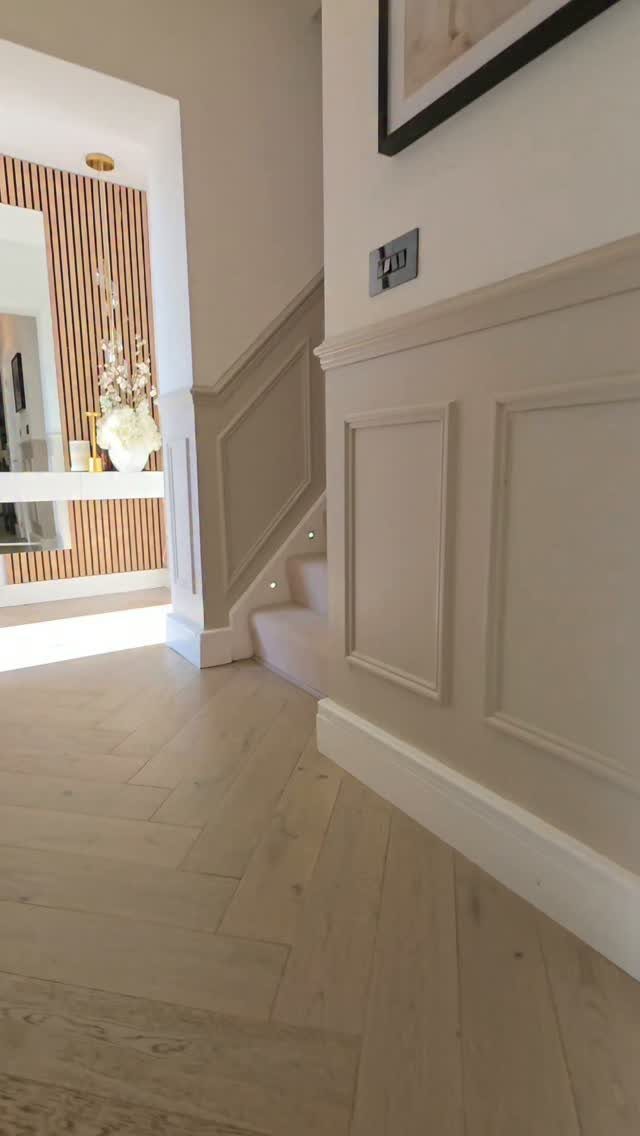
Picture frame molding is wainscoting at its most approachable: thin strips of trim forming rectangles on the wall, painted one color along with the wall. Light grey lets the shadows between the strips supply the texture.
Measure the wall, sketch the boxes with even spacing, and glue and nail the trim up.
Caulk the seams and paint over everything for a clean finish. Renters should check their lease first, because this is permanent.
6. Textured Wallpaper
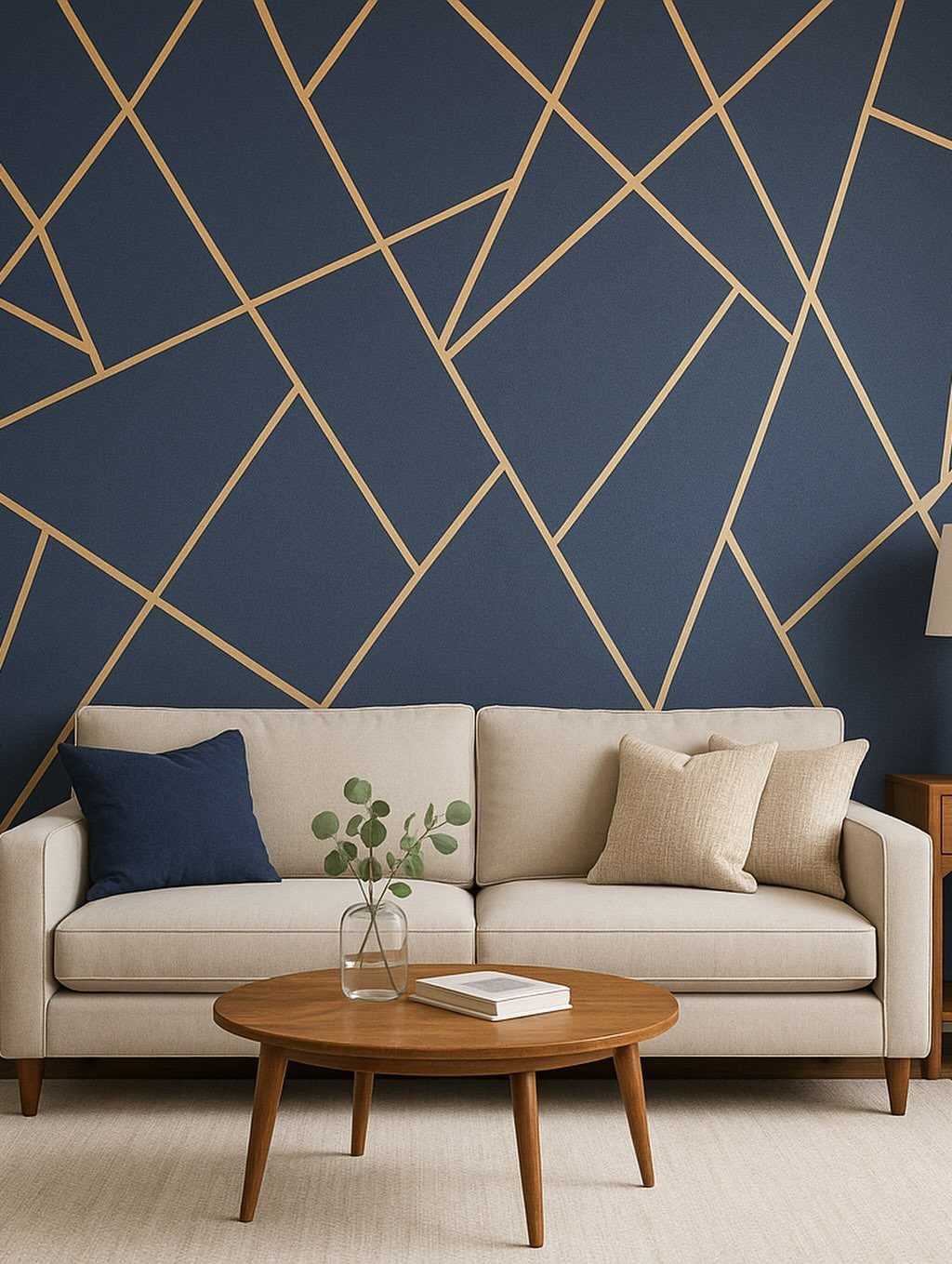
Navy with gold geometric lines is a bold wallpaper choice, and it works best on a single wall behind the sofa. A beige sofa keeps the room from going too dark.
Peel-and-stick versions suit renters, since they come off again. Whichever you choose, wipe the wall clean first, and line up the pattern from the top down so the gold lines match at every seam.
7. Lighting Fixtures
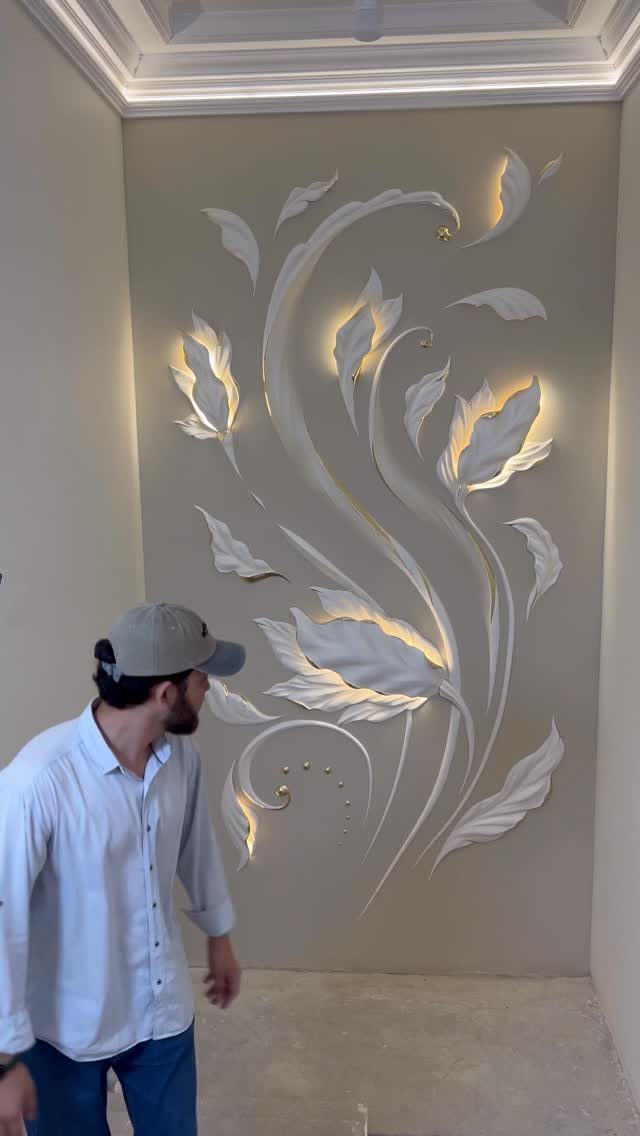
A backlit relief sculpture gives a wall its own light source, so the wall stops being a backdrop and becomes the lamp.
Warm light behind a white 3D floral piece pulls shadows into the petals and makes a beige room glow in the evening.
Choose a warm white bulb or strip, since cool white turns the same piece clinical. A plug-in version keeps wiring simple for renters, and a dimmer lets the glow shift from reading light to mood light.
8. Antique Mantels
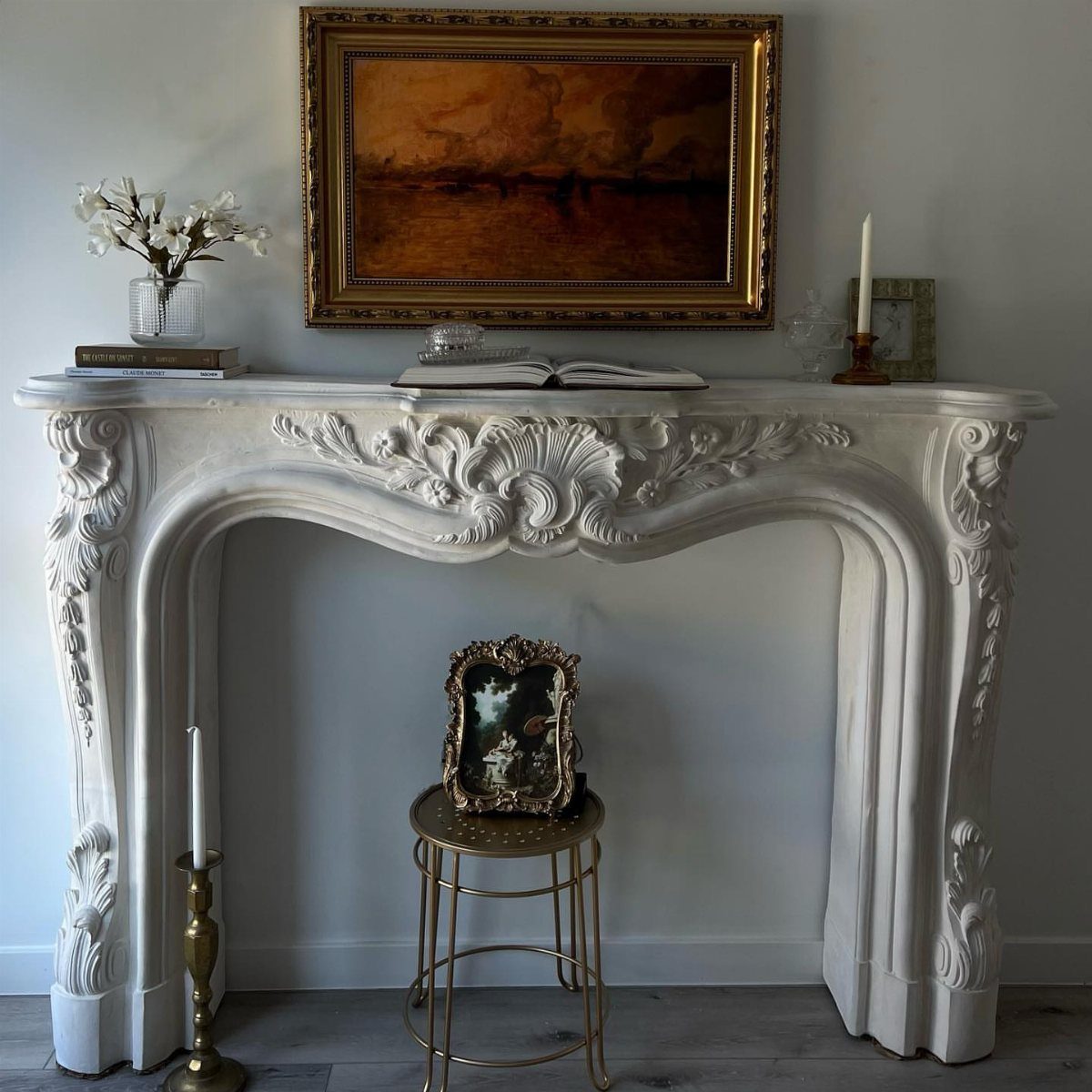
An antique mantel can work as a shelf with a frame built in, even when no fireplace sits behind it.
Ornate carving in white paint reads as one piece with a white wall, so the objects on top do the talking.
I would keep the styling to 3 layers: a gold-framed painting hung above, books stacked on the ledge, and candles for height.
9. Tall Bookshelves
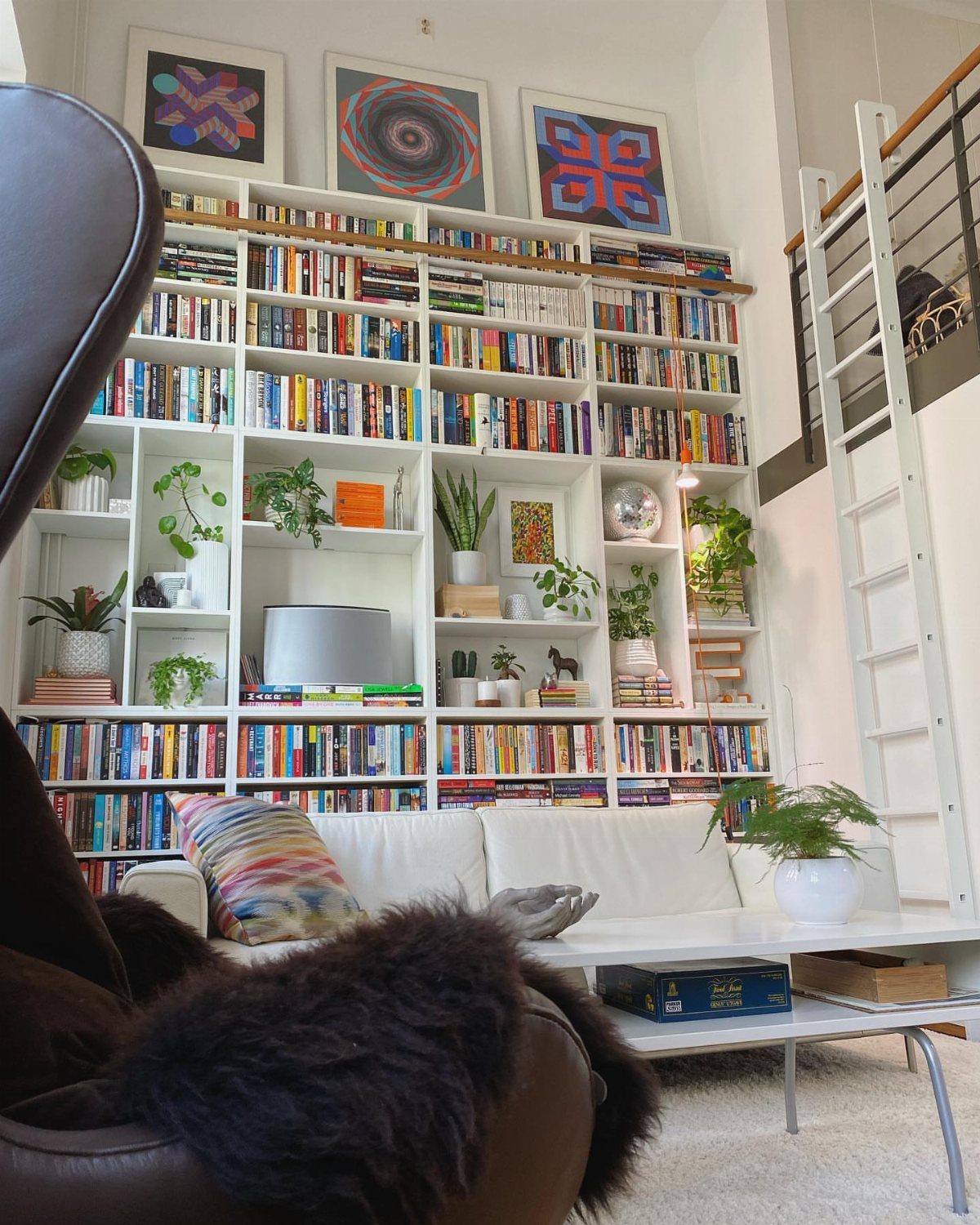
Floor-to-ceiling shelving turns a whole wall into storage and decoration at once.
Mix the contents instead of filling every shelf with books: stack some horizontally, leave a few gaps, and set plants at different heights. A ladder is a good add-on if the top shelves are out of reach.
Anchor tall units to the wall, and expect this to be the priciest idea on the list.
10. Faux Tile or Brick
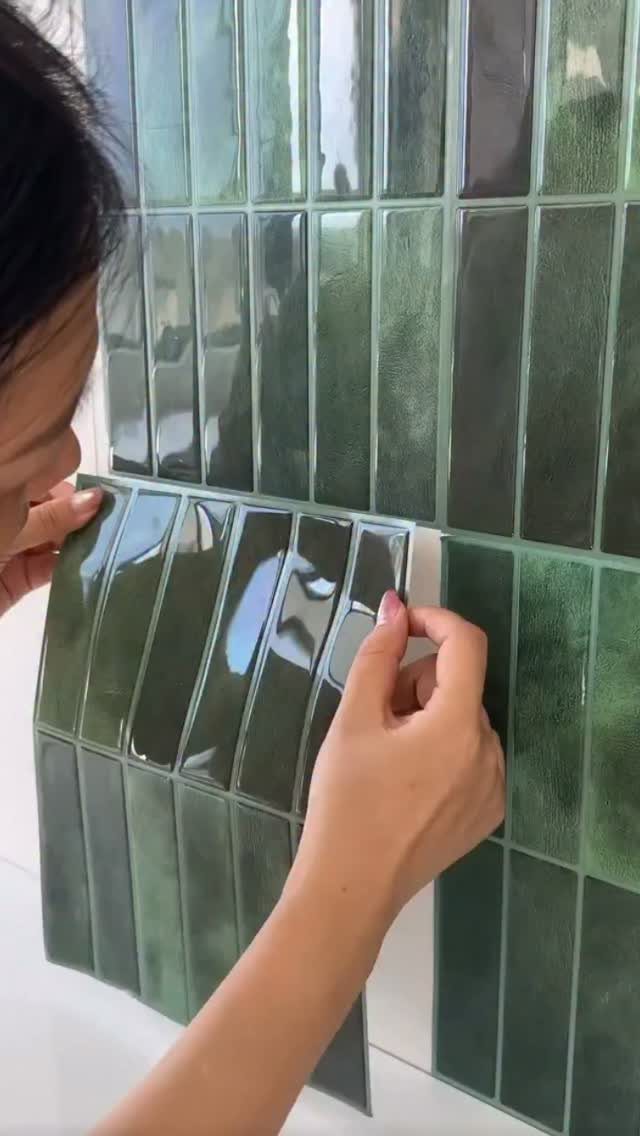
Peel-and-stick tile is the easiest way to get a glossy green wall without grout, thinset or a lease violation. Each sheet sticks directly to a clean surface, so one weekend is plenty for a single wall.
Wipe the wall and let it dry.
Start from a level line, press each sheet down from one edge to push out air, and keep the seams tight. Brick versions work the same way, and both cost far less than the real thing.
11. Floating Shelves
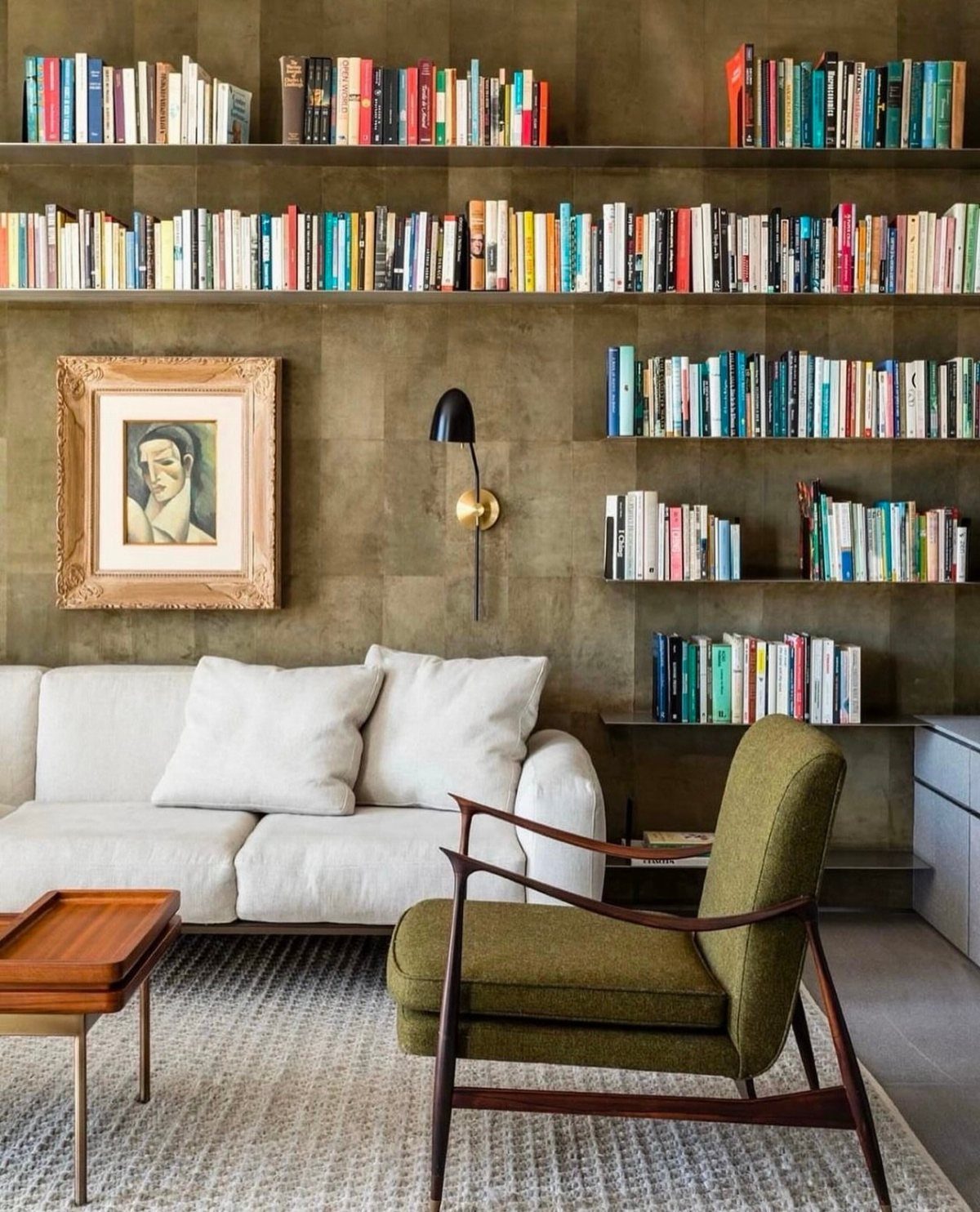
Long floating shelves hide their brackets, so the books seem to hover against the wall. On a textured brown wall, the shelf edges give a clean horizontal line that steadies the texture.
Hang them into studs, because books are heavy and the hidden hardware has little margin.
I like one long shelf over several short ones, since it reads as a single deliberate band. Keep the books in tidy runs and leave some air.
12. Tapestries

A mandala tapestry is the cheapest way to cover a large stretch of wall with color and pattern. Tie-dye hues against white paint make it the focal point, and the fabric adds softness a hard wall lacks.
Hang it from a dowel or with clips so it sits flat, and let it fall over a rug and a small plant to tie the corner together.
Renters can use removable hooks, which makes this an easy swap whenever the mood changes.
Choosing Wall Art
Pick art you would still like if nobody else commented on it.
A piece that matches your taste will outlast a trend, and a safe, widely liked subject keeps the room easy to live in and easy to sell or rent out later.
3 approaches that work on a budget: minimalist line art, an abstract figure, or a print built around words. Each one gives a wall a focal point without crowding the room.
If you want a gallery arrangement, decide on its mood first.
Matching frames in one size feel modern, cohesive black-and-white photos feel nostalgic, and a mix of mediums, colors and shapes feels eclectic. Choose one and stick with it, because blending all three tends to look accidental.
As Maggie Griffin of Maggie Griffin Design in Gainesville, Georgia, says, “Living room walls should have a balance of art pieces.”
Hanging Artwork
Most people hang art too high. Large pieces belong at eye level, which feels low at first but is the standard galleries use.
Leaving only about six to eight inches between the bottom of the artwork and the top of the sofa or console keeps the piece tied to the furniture instead of floating on its own.
Before you drill, tape a paper template or painter’s tape outline to the wall and stand back. Walk to the doorway and the sofa seat, since those are the spots where the art gets looked at most.
Color Coordination
Pull one or two colors from the biggest things in the room, such as the rug, and repeat them in the art.
Two large indigo paintings that echo the lines of a rug will make a room feel planned, and a few blue accents add a cool, coastal feel.
When you mix art styles, a shared palette or complementary colors does the tying together. Similar frames or matting help, and so does a common theme, even if the styles differ.
Balance matters as much as matching.
Frequently Asked Questions
How do I design my living room wall?
Pick one focal wall and give it one strong treatment: slats with a strip of lighting, picture frame molding, bold wallpaper, or a tall bookshelf wall.
Paint runs under $50 for most rooms, slats start around $200 and need a full day to install, but slats add actual depth. Renters can get the same effect with peel-and-stick tile or wallpaper, which come off again.
How do I decorate a large empty wall in my living room?
One piece at least 40×60 inches reads clearly from across the room, where smaller pieces fade into the wall. Floor-to-ceiling shelving, a woven wall hanging, or a long floating shelf also covers a wide span.
What looks good above a sofa?
A large piece of art or a tight gallery wall works best.
Center it over the sofa, spanning roughly two-thirds of the sofa’s width, with the bottom edge 6–8 inches above the sofa back. That gap ties the art to the furniture instead of leaving it floating.





