Sun through the glass decides most of the choices on this list, so a room’s exposure, not its style, should pick your ideas: afternoon light through west windows hits harder than the diffused light facing north, and that changes which fabrics, floors and window coverings hold up.
Some cost as little as a set of curtains, others need a plumber for a wet bar, and the ones worth doing are those that hold up under your actual sun exposure: UV-rated fabrics like Sunbrella and light wood finishes that won’t bleach out.
1. Incorporate Greenery
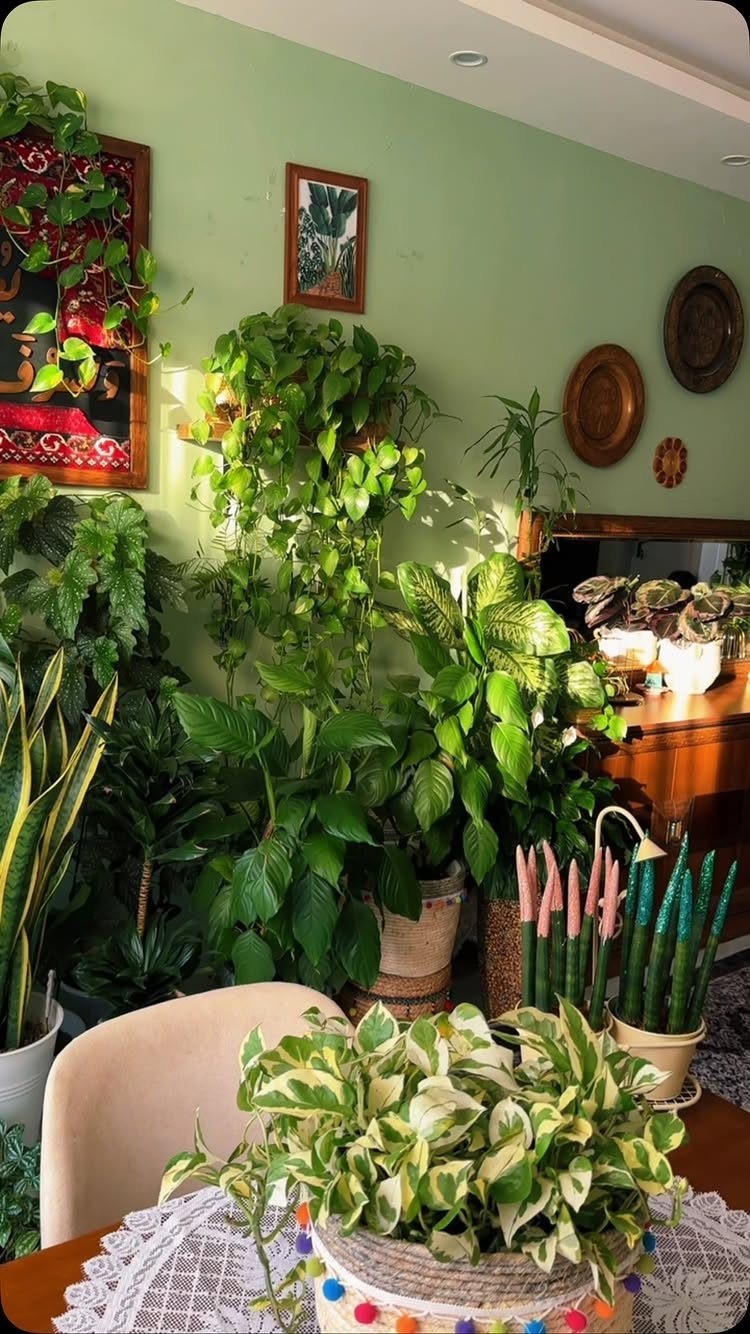
Light green walls and a crowd of houseplants make a good pair, because the plants read as part of the room instead of an add-on.
Vary the heights: set larger plants on the floor, mid-size ones on tables, and smaller pots on shelves or windowsills.
Terracotta or white pots keep the look calm against green paint.
Plants with different leaf shapes feel fuller than five of the same kind, and a single large one in a corner does more than a dozen tiny ones lined up.
2. Coastal Color Palette
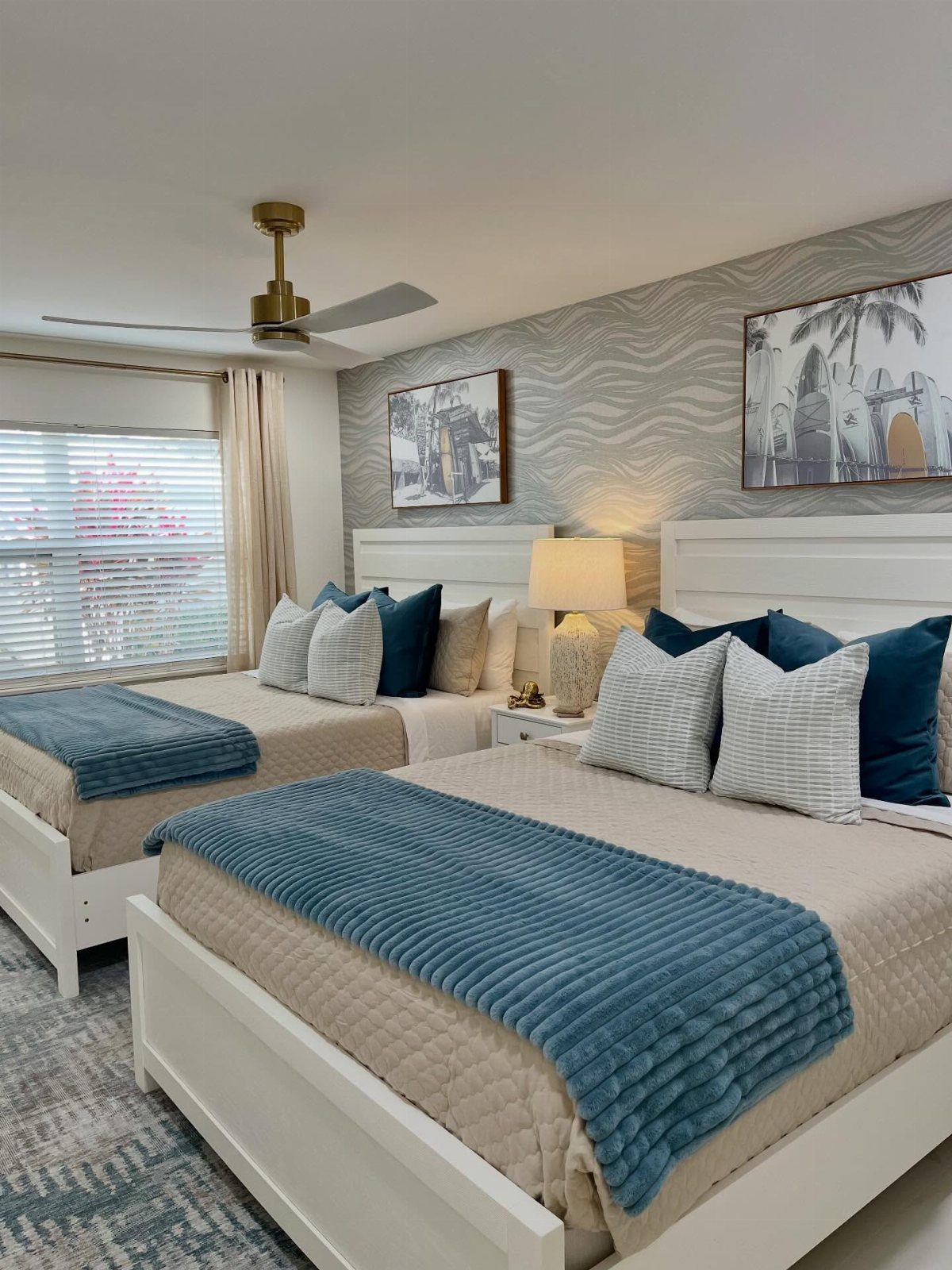
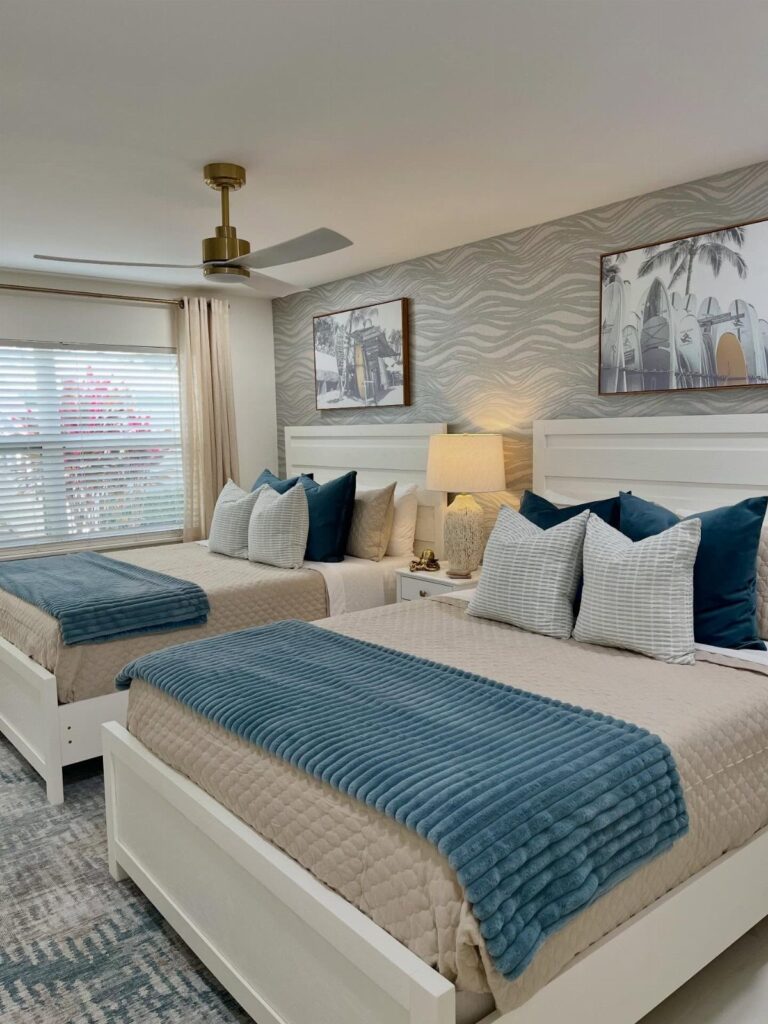
Blue and beige bedding on white beds is the easiest way into a beach palette, and it costs a fraction of what you’d spend repainting the room.
Bedding is cheap to swap, so you can test the colors before committing to anything permanent.
I like keeping the walls and big furniture white, then letting blue carry the pattern: wallpaper, art, a throw. A gold fixture like the ceiling fan adds warmth so the room doesn’t feel cold.
3. Sheer Curtains
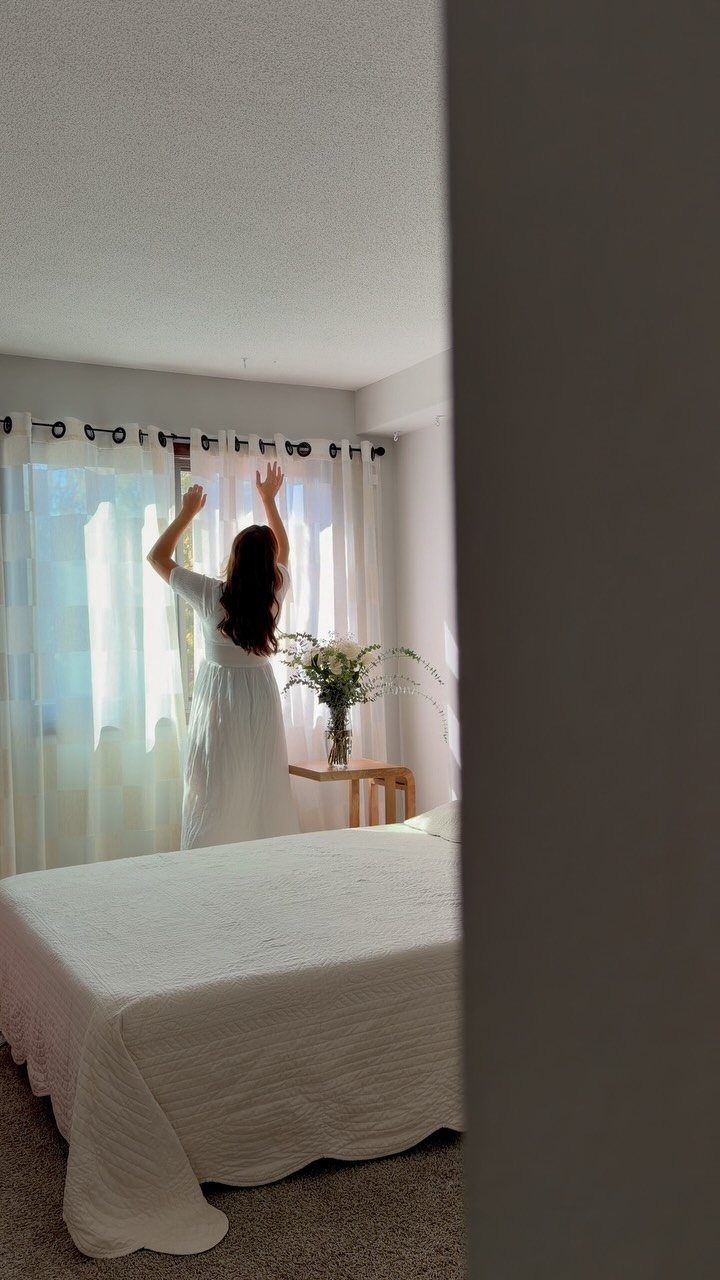
Sheer white curtains let daylight through while taking the glare off it, which suits a room with lots of windows. The light turns soft and even instead of harsh.
Pick a lightweight fabric that moves with a breeze. Sheers give little privacy at night, so pair them with blinds if that matters to you.
4. Create a Cozy Corner
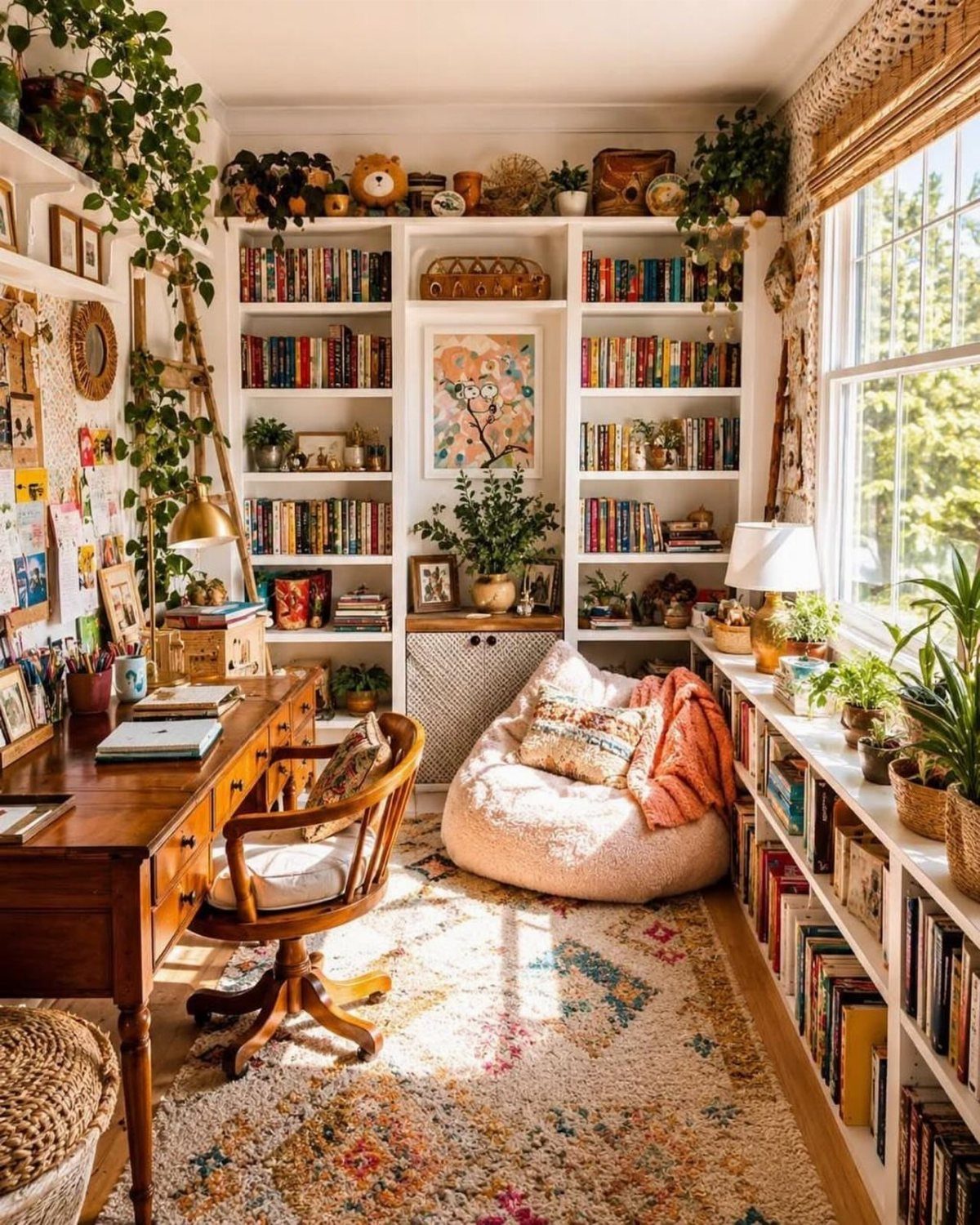
A beanbag, a shelf wall and a few plants are enough to turn a corner into the spot everyone fights over. Soft seating on the floor feels more relaxed than another chair does.
Choose a white or light beanbag with a washable cover, and put a rug under it to define the zone. Keep books within arm’s reach, and place plants near the seat so the corner feels enclosed and calm.
5. Rattan and Jute

Rattan and jute bring natural texture without needing much color. A jute rug underfoot, a rattan bench or light fixture, and a woven wall hanging layer three weaves in one room.
I’d pick a couple of woven pieces and stop there; more than that starts to look like a gift shop.
Jute is coarse, so it suits a bedroom floor better than a spot where you sit on the ground. Add a potted palm to finish the tropical feel.
6. Sliding Glass Doors
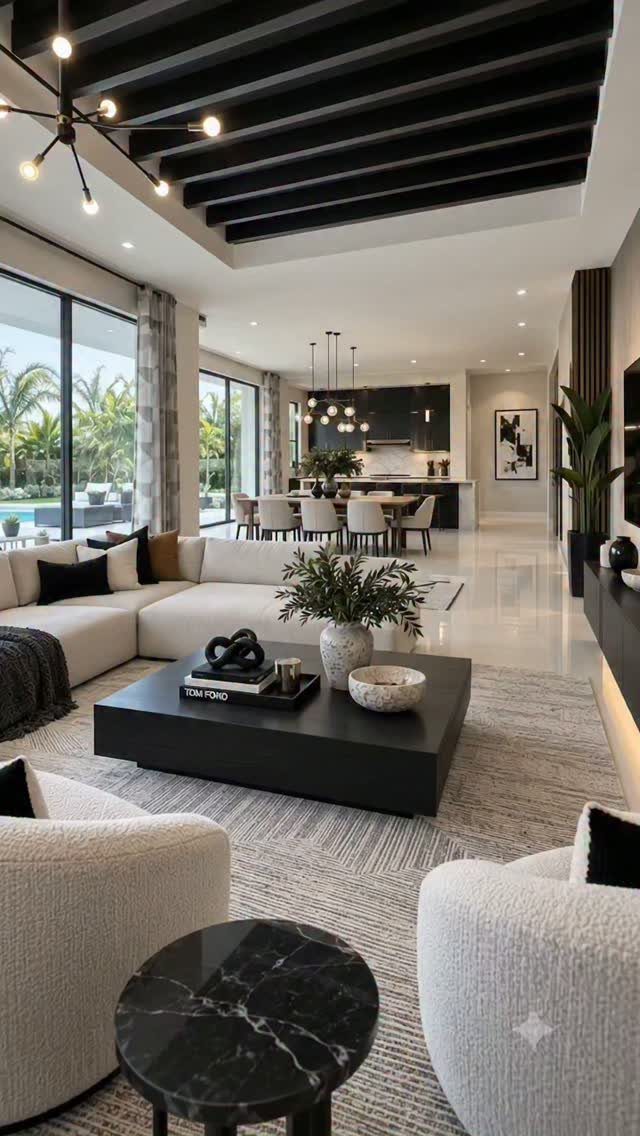
Sliding glass doors make the outdoors feel like part of the living room, and the furniture layout should respect that. Keep a clear path in front of the doors so they open without moving anything.
Float the sofa or place a low table nearby instead of blocking the glass.
A dark coffee table anchors the space and makes the outdoor view feel even brighter by contrast. Keep the tracks clean so the doors glide.
7. Decorate with Ocean-Inspired Artwork
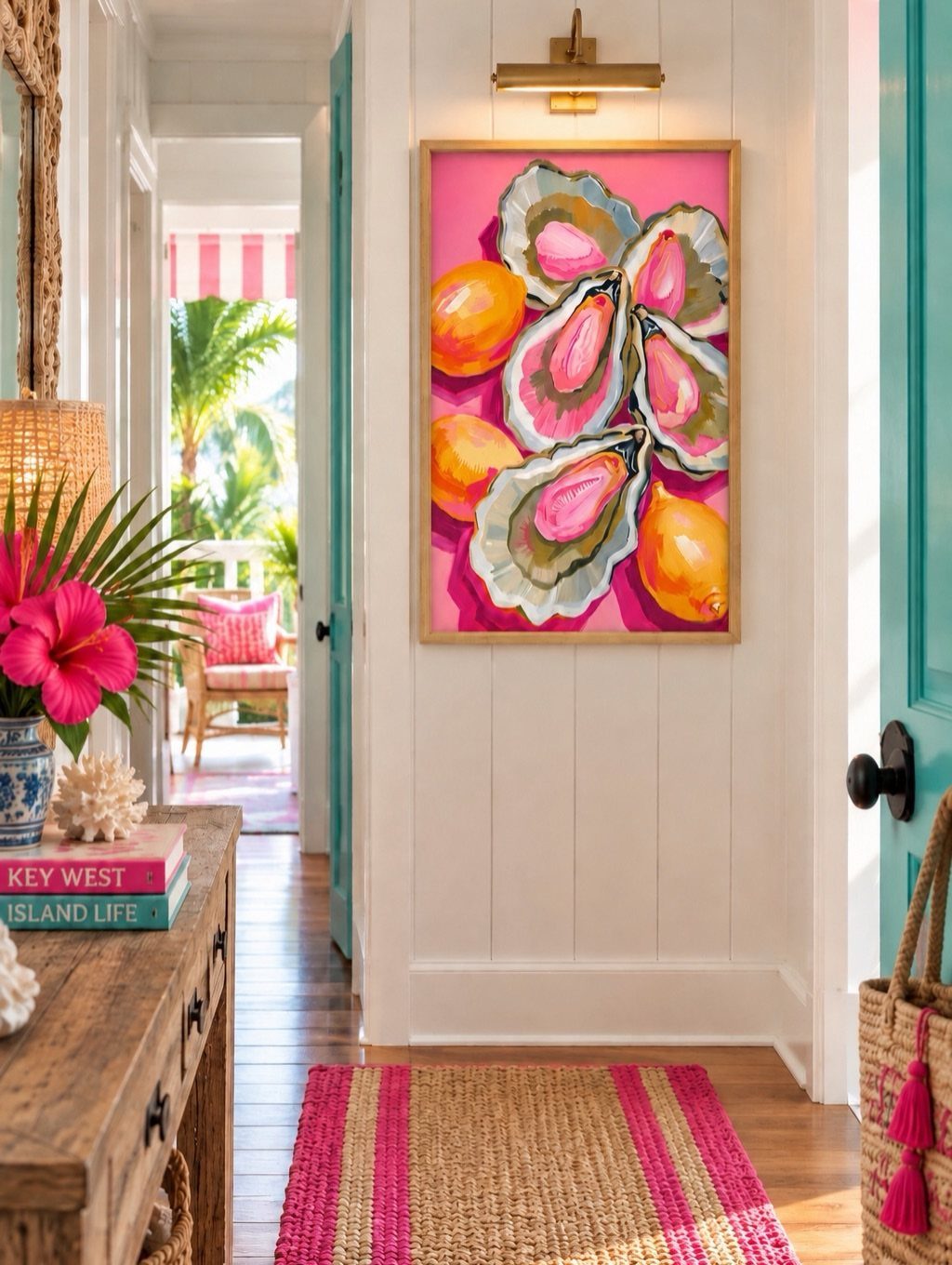
Art with a coastal subject holds up better when it stays a little sideways: oysters and lemons say "seaside" without a single anchor or sailboat.
Hang one strong piece instead of a gallery of small ones, and let the console below it stay simple.
Books and one vase of flowers are plenty. In a Florida room, where the furniture is already beachy, quieter art keeps the theme from tipping into a theme park.
8. Large Windows and Mirrors
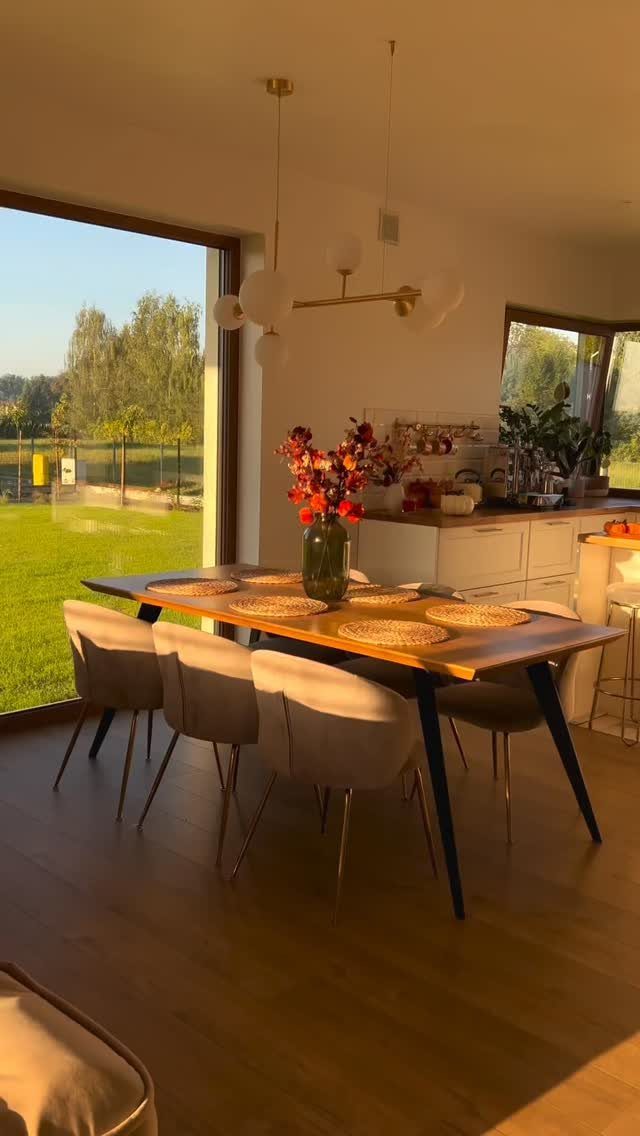
Light wood and pale chairs keep that brightness from being swallowed.
I’d choose light upholstery over dark here, since the glare off the glass makes dark chairs look heavy by comparison.
A vase of flowers on the table echoes the green outside. If you want more light bounce, lean a large mirror on the wall opposite the glass.
9. Use Coastal-Inspired Rugs
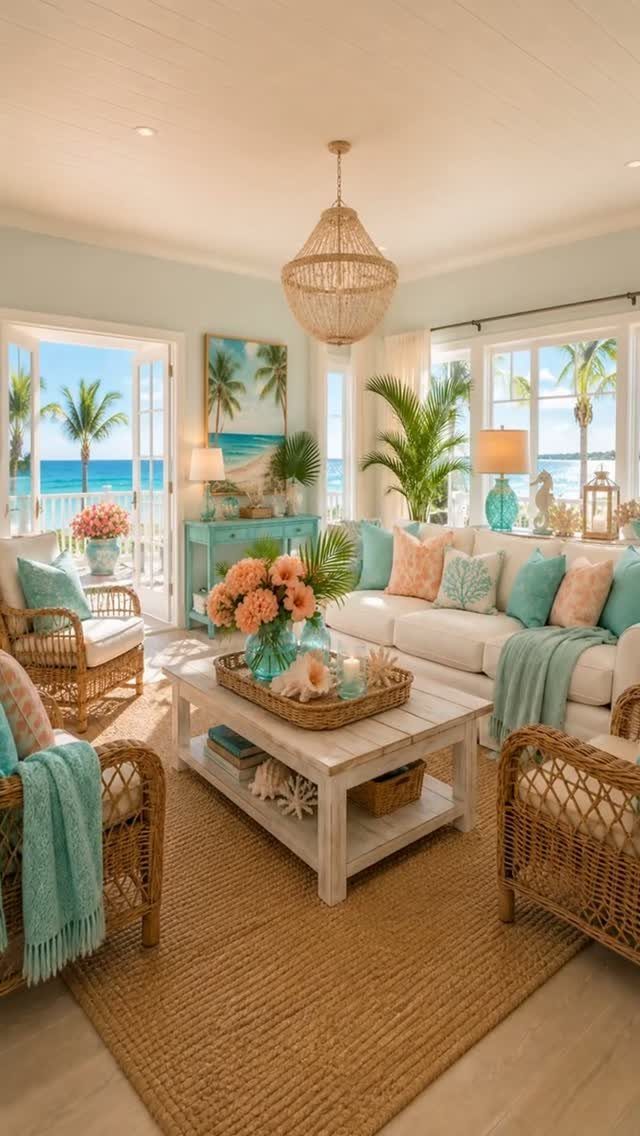
A large jute rug is the simplest way to make a Florida room feel beachy underfoot. The warm, sandy fiber sits well with rattan or wicker furniture and turquoise accents.
Pick a rug big enough that every seat’s front legs rest on it; a small one looks lost. A flat weave also lets doors swing over it.
10. Home Office Nook
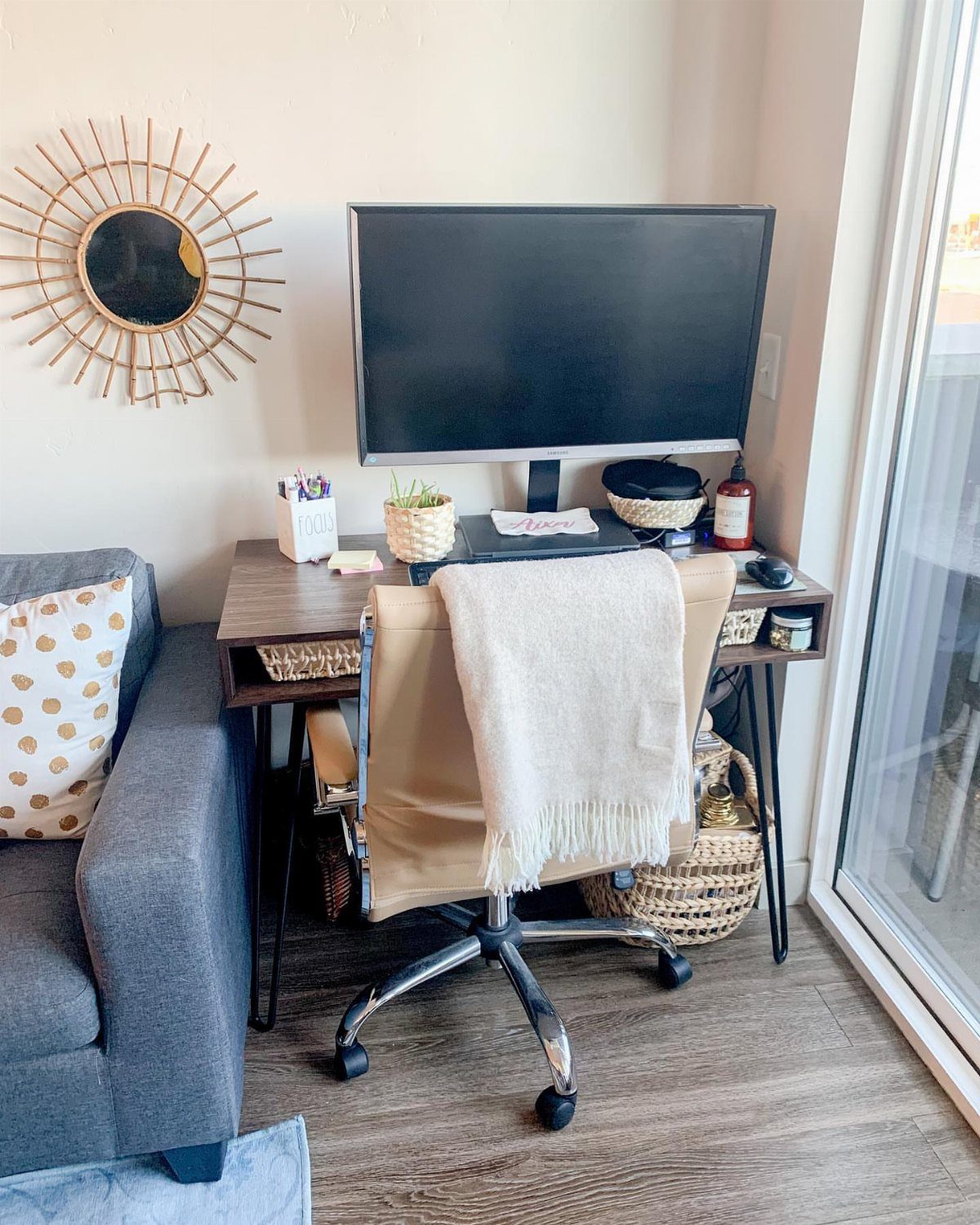
A desk against a sliding glass door gives you daylight and a view for the price of one table and a chair. It turns a corner that was only ever a walkway into a place with a purpose.
Face the monitor sideways to the glass so the glare doesn’t wash out the screen. Keep cords tucked so the doors still open.
11. Add a Wet Bar
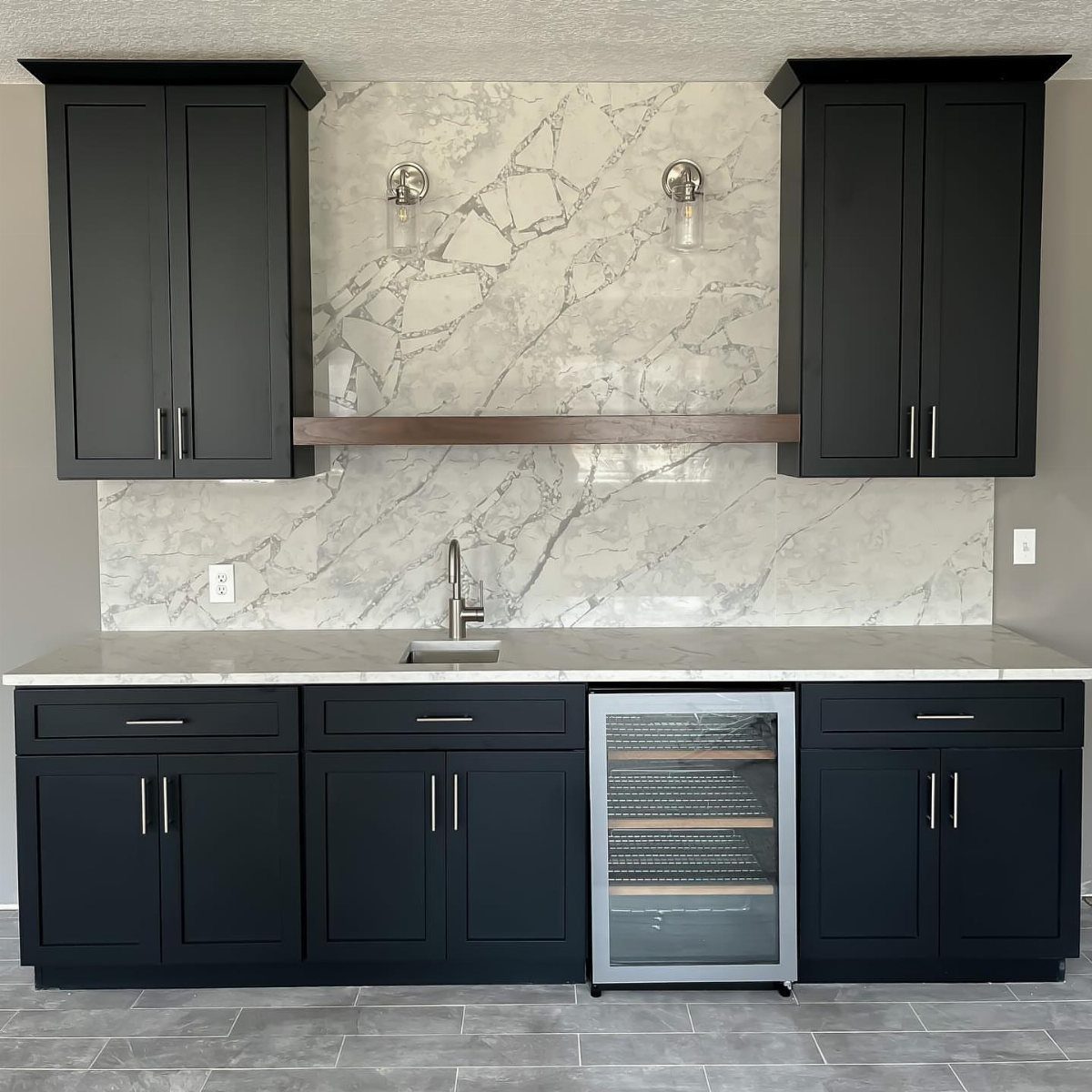
The dark base grounds a bright room, and the white top keeps it crisp.
A small sink, a wine cooler and 2 wall sconces cover everything a bar needs, and the sconces mean you don’t give up counter space to lamps.
A sink needs plumbing, so cost climbs fast; if that’s out of reach, a cabinet with a cooler gets you most of the look.
12. Install Woven Shades
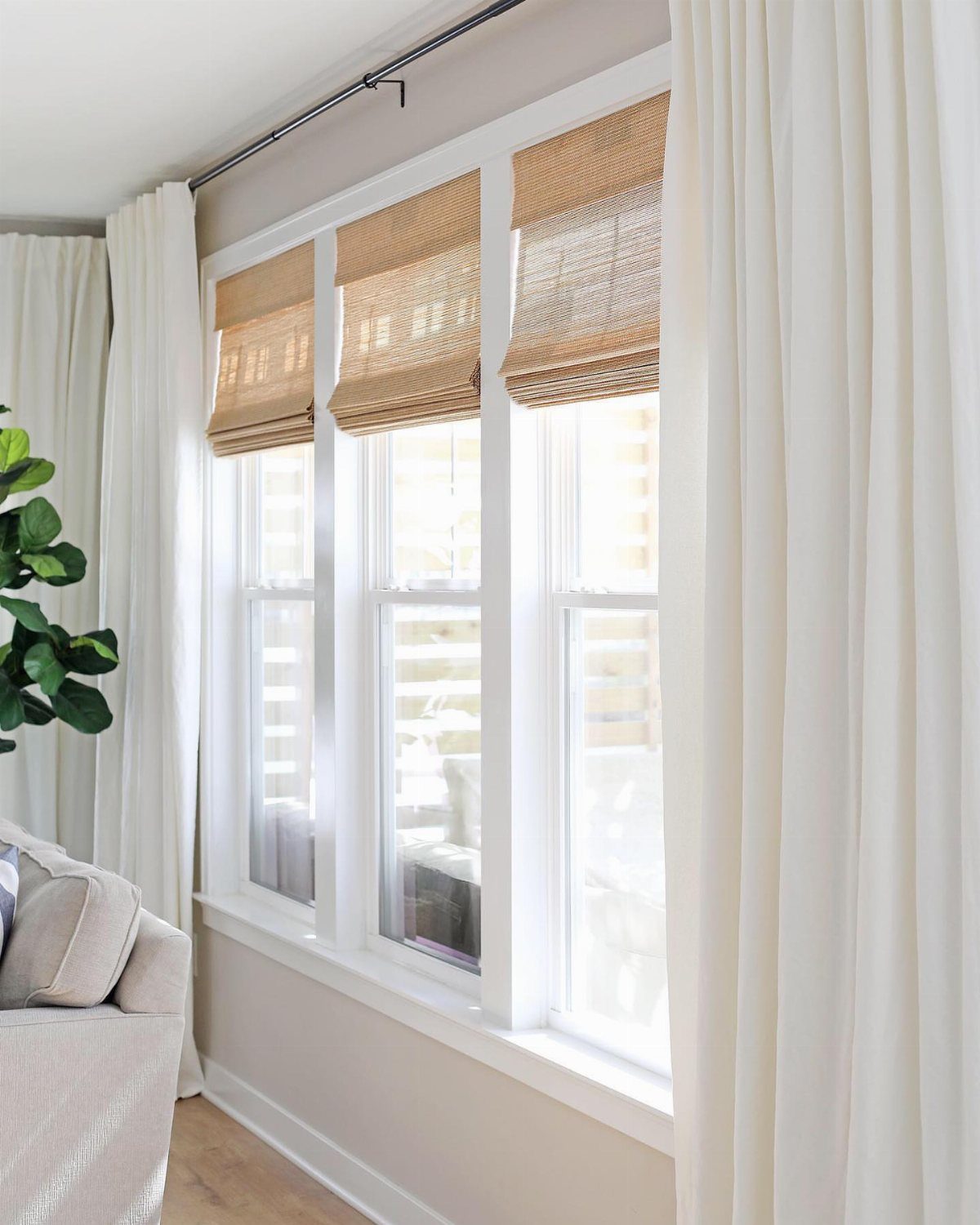
Woven bamboo shades control light better than curtains alone, and their tan color warms up a white window frame. Pulled down, they soften the sun; raised, they disappear.
Pairing them with white curtains gives you control over glare while the fabric adds softness.
Mount one shade per window so the lines stay tidy. Woven shades filter rather than block light, so expect a glow, not darkness.
13. Built-In Cabinets
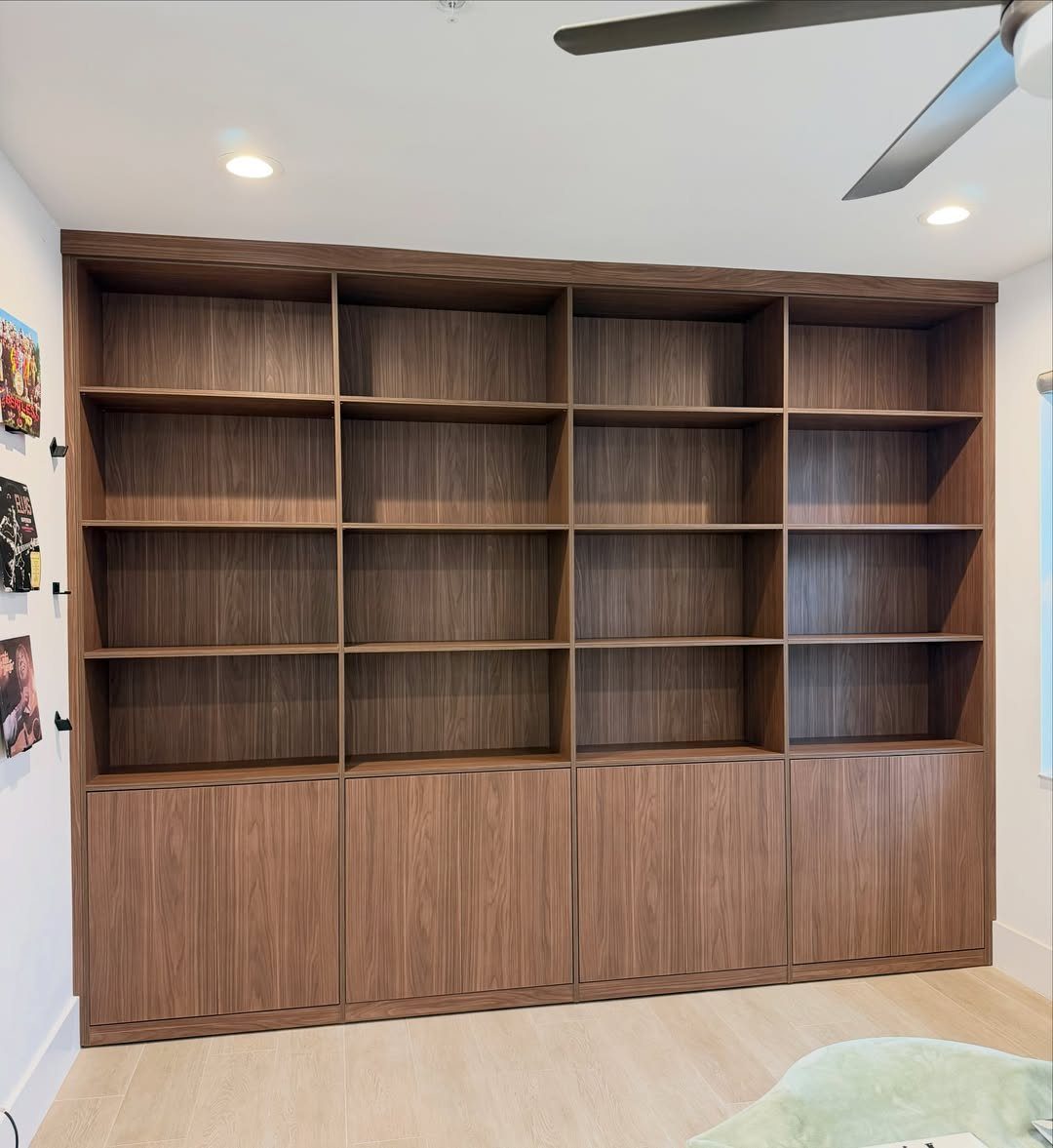
Closed cabinets below and open shelves above is the split I’d copy from a built-in like this one. The lower doors hide the clutter, and the shelves give you a place for the things you want seen.
A dark wood finish against a white wall adds contrast, and it works well with light wood floors. Fill the shelves loosely and leave a few gaps so the unit doesn’t feel heavy.
A built-in uses one wall for storage and cuts the furniture count you need in the rest of the room. Custom work costs more than freestanding pieces, so price both before you commit.
14. Create a Reading Nook
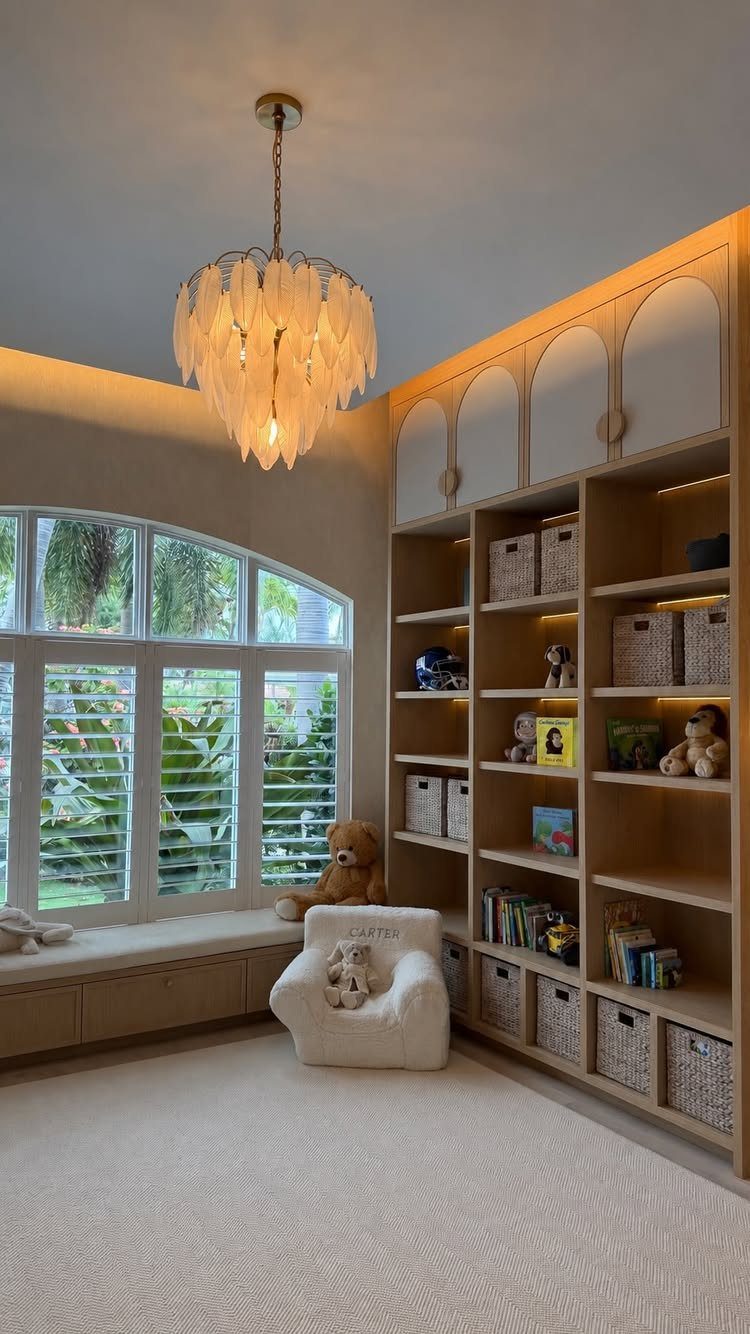
A window seat with bookshelves built beside it gives a child a reading spot that doubles as storage. Keep the books and toys on the shelves within arm’s reach so the seat gets used.
For a family room, I’d pick a washable cover, since white and small kids need one.
Face the seat toward the window so the greenery outside becomes the view. Add a cushion on the bench for comfort.
15. Use Textured Walls
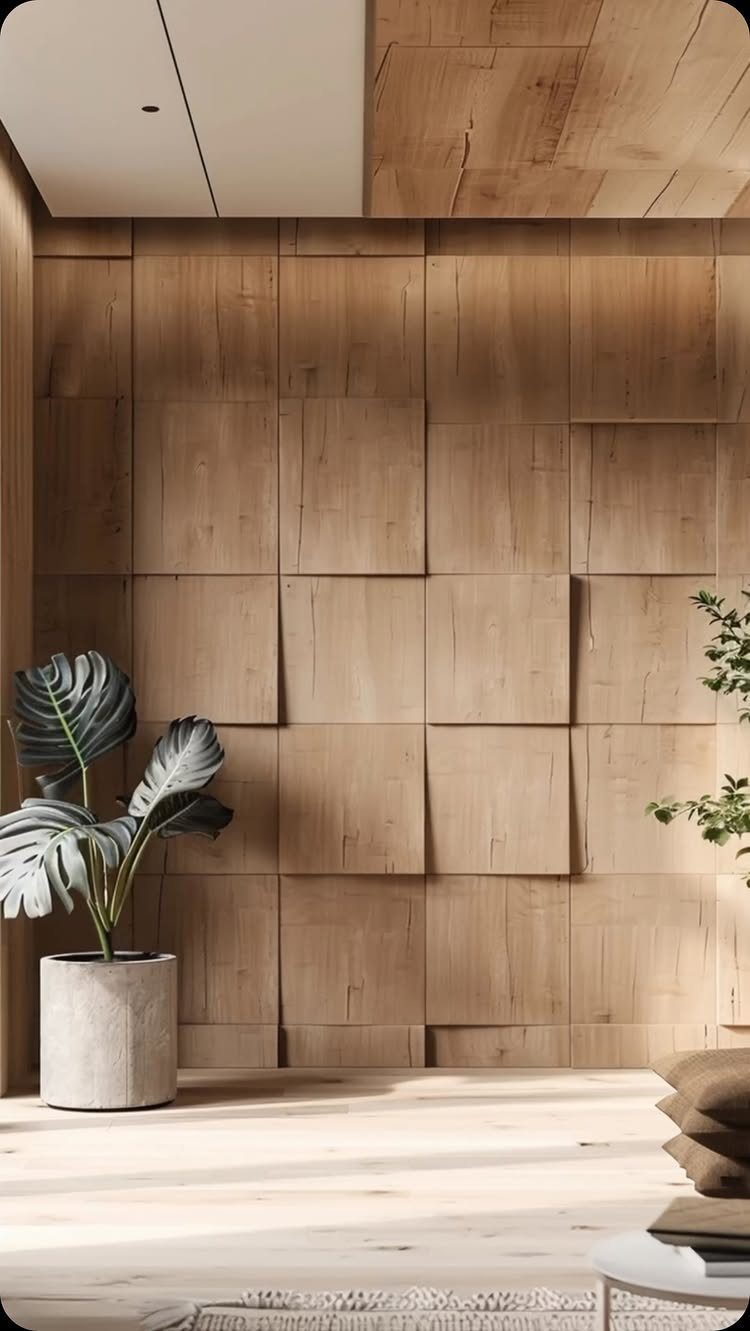
Wood panels in a staggered grid give you the kind of depth that paint alone won’t. Because the light-brown wood runs up the wall and onto the ceiling, the room reads as one warm, wrapped space.
Leave the rest of the room quiet. A light wood floor and one big green plant, like a Monstera, are enough, since the panels already supply the pattern.
Texture catches light and casts small shadows, so a wall like this changes through the day. Try it on one wall first, and judge how much texture you can live with before covering a ceiling too.
Managing Natural Light
Sun in a Florida room is long and harsh, so choose light colors and UV-resistant fabrics for upholstery and cushions. Light tones resist heat absorption, and UV-rated fabric resists fading.
Treat window coverings as 2 separate jobs. Sheers or woven shades set the look, while solar shades or blinds handle glare, heat and privacy.
I run 2 layers so I can dial the light up or down: a cellular shade that softens midday glare, and curtains on the sides for finished look.
Match the strength of the glare control to your exposure. Afternoon sun through west windows hits harder than the diffused light you get facing north.
If the view is good and nobody can see in, skip heavy coverings entirely. Heavy drapes cut the light you built the room to enjoy.
Creating a Relaxing Atmosphere
Start by deciding what the room is for: breakfast, reading, or a place to pile up with pillows. That answer sets how much furniture you need, so count the people in your household plus regular guests.
Arrange the seating as a conversation area, with chairs facing each other rather than lined against the walls. Wicker, teak or wrought iron feel casual and hold up in a room that gets weather and sun.
Comfort still decides the purchase, so sit in a chair before buying it. I go with cushions in Sunbrella or another solution-dyed acrylic that holds color under constant sun.
For color, teak looks good with subdued fabrics or earth tones. Painted wicker in white with cushions in soft coral or mint gives you that coastal brightness.
Choosing Durable Materials
Sun through the glass is prolonged and harsh, so every material in the room has to take it. Direct sun fades dark stain to a washed-out gray; I stick with honey or weathered tones that look better as they lighten.
Luxury vinyl plank handles water, stands up to traffic, and cleans with a damp mop.
Tile stays cool underfoot and resists water, and natural stone tile adds texture. Light hardwood or engineered wood handles humidity and keeps the beachy look.
Polypropylene rugs dry fast, resist mold, and go straight in the wash when they need it. Upholstery should be UV-resistant.
Add a ceiling fan, since air circulation matters as much as the finishes in a room this warm.
Frequently Asked Questions
What is a Florida room?
A Florida room is a glass-enclosed addition to the house, designed to let in light while blocking the weather, bugs, and summer heat.
It connects indoor space to the backyard, and goes by sunroom just as often. The walls might be screened panels that catch the air, or sealed glass that holds climate control.
What is the Florida style of interior design called?
It is most often called coastal style, with a tropical streak. The look leans on white walls and big pieces, blue or turquoise accents, and natural textures like rattan, wicker, and a sandy jute rug.
Painted white wicker with soft coral or mint cushions, or a potted palm, pushes it further toward the beach.





