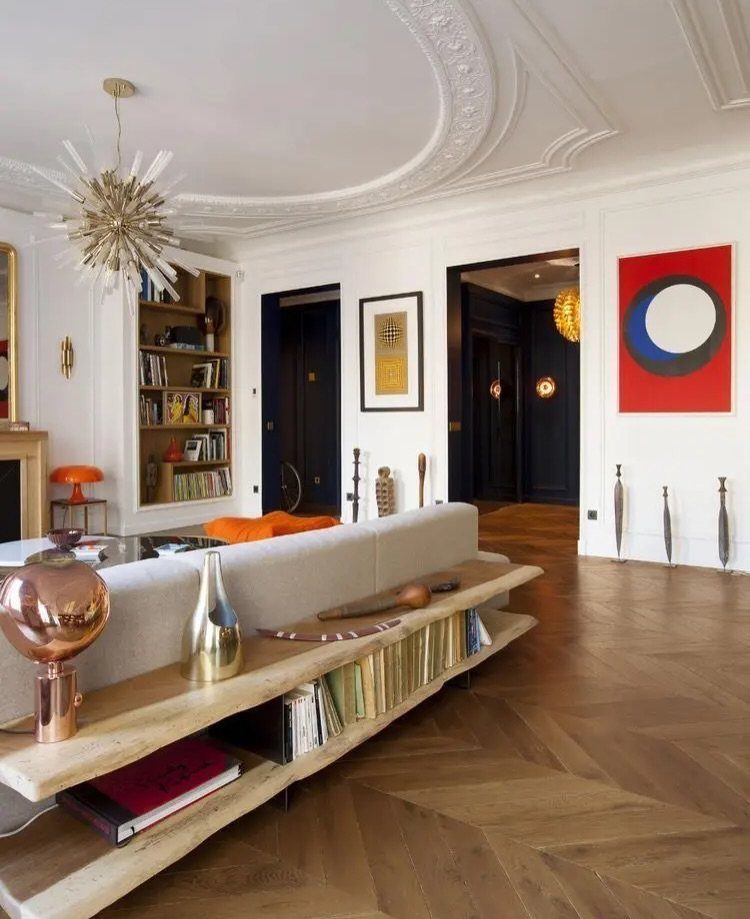
Room size and how you use the space decide whether a couch floats, and taste only breaks a tie: a small room or a TV wall often keeps the sofa against the wall, while a big room usually looks better with furniture pulled off the walls.
The ideas run from textiles and a rug to a console table that needs no tools to a built-in bookshelf on the back of a sectional, so the effort ranges from an afternoon to real carpentry.
1. Lighting Around the Couch
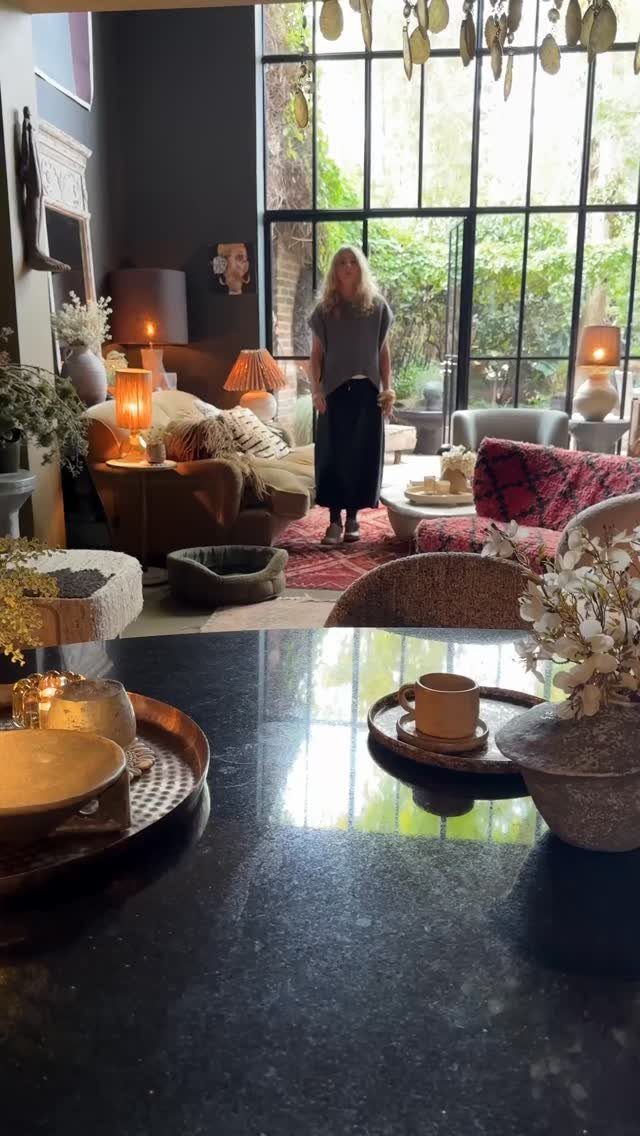
Lamps at different heights do more for a couch than one bright overhead fixture. Warm bulbs and shades that glow rather than glare keep the neutral upholstery looking soft in the evening.
Put one lamp at each end of the sofa and one more across the room, so light reaches every corner.
Keep the overhead switch for cleaning day.
2. Soft Textiles, Cushions, and Throws
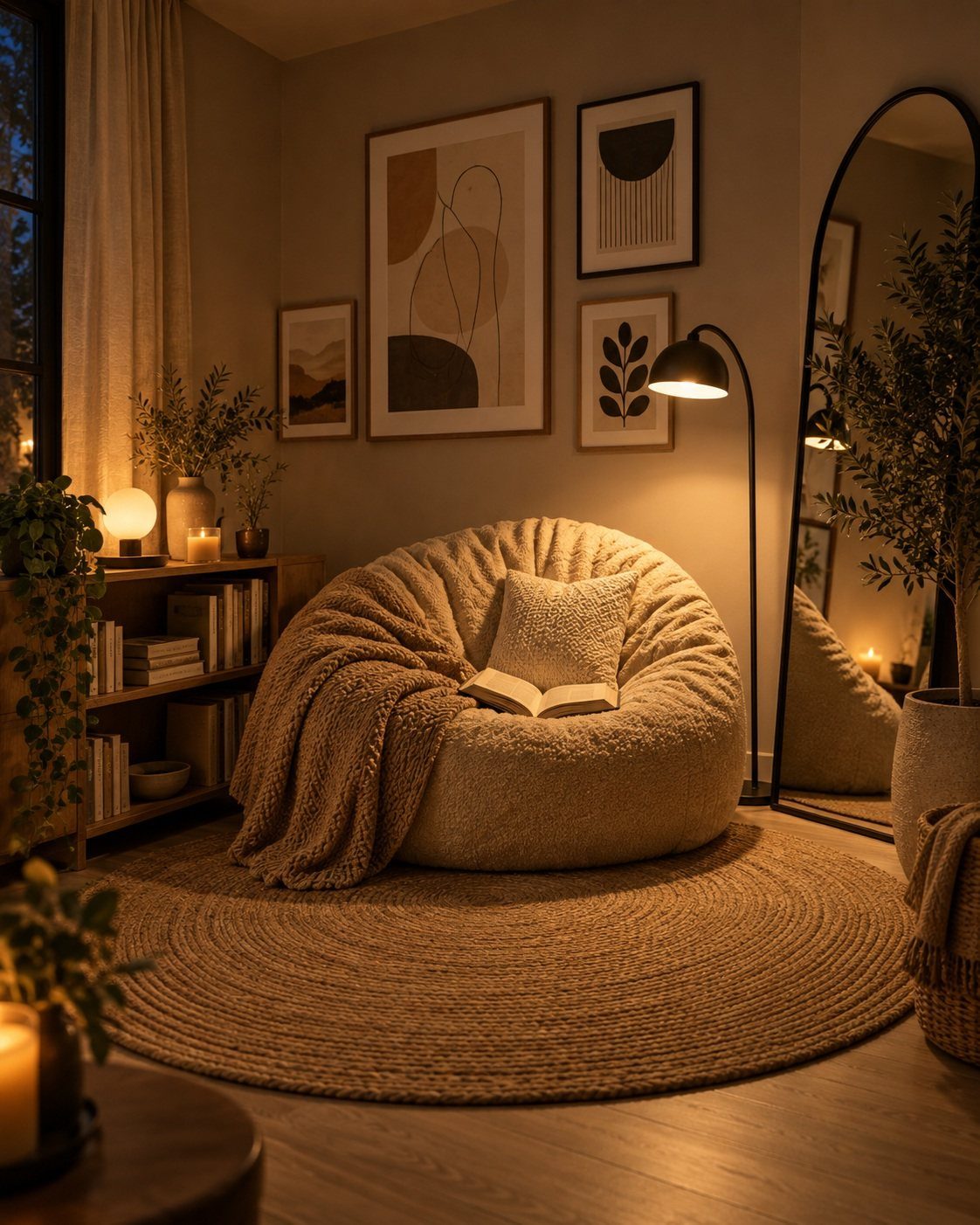
A throw, a cushion and a chunky textured seat can make a corner feel finished. Cream and beige layers keep the look calm, while the knit and the jute rug add the texture.
Mix 2 or 3 weaves rather than matching everything: a ribbed knit next to a smooth cotton cover reads richer than a set. Drape the throw over the side of the beanbag instead of folding it flat, so it looks used.
Soft pieces are the easiest swap when your taste changes.
3. Chairs Across from the Couch
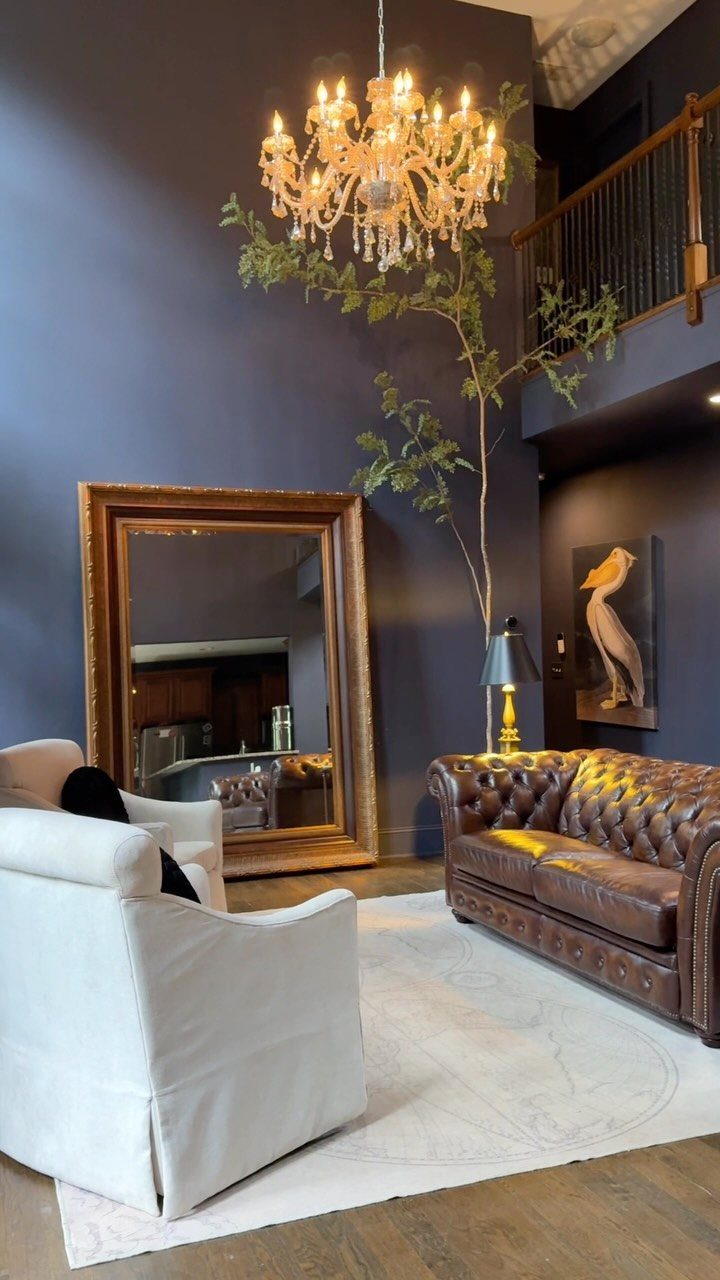
2 armchairs facing the couch turn a floating sofa into a proper conversation zone. White chairs against a brown leather Chesterfield show why contrast works: the pairing looks deliberate, and neither piece fights the other.
Choose chairs that match each other, or at least share a scale, and set them so the seats angle slightly toward the sofa. A rug under the front legs of all 3 ties them together.
Armless or low-backed chairs let you see across the room, which helps in a small space.
4. Console Table Behind the Couch
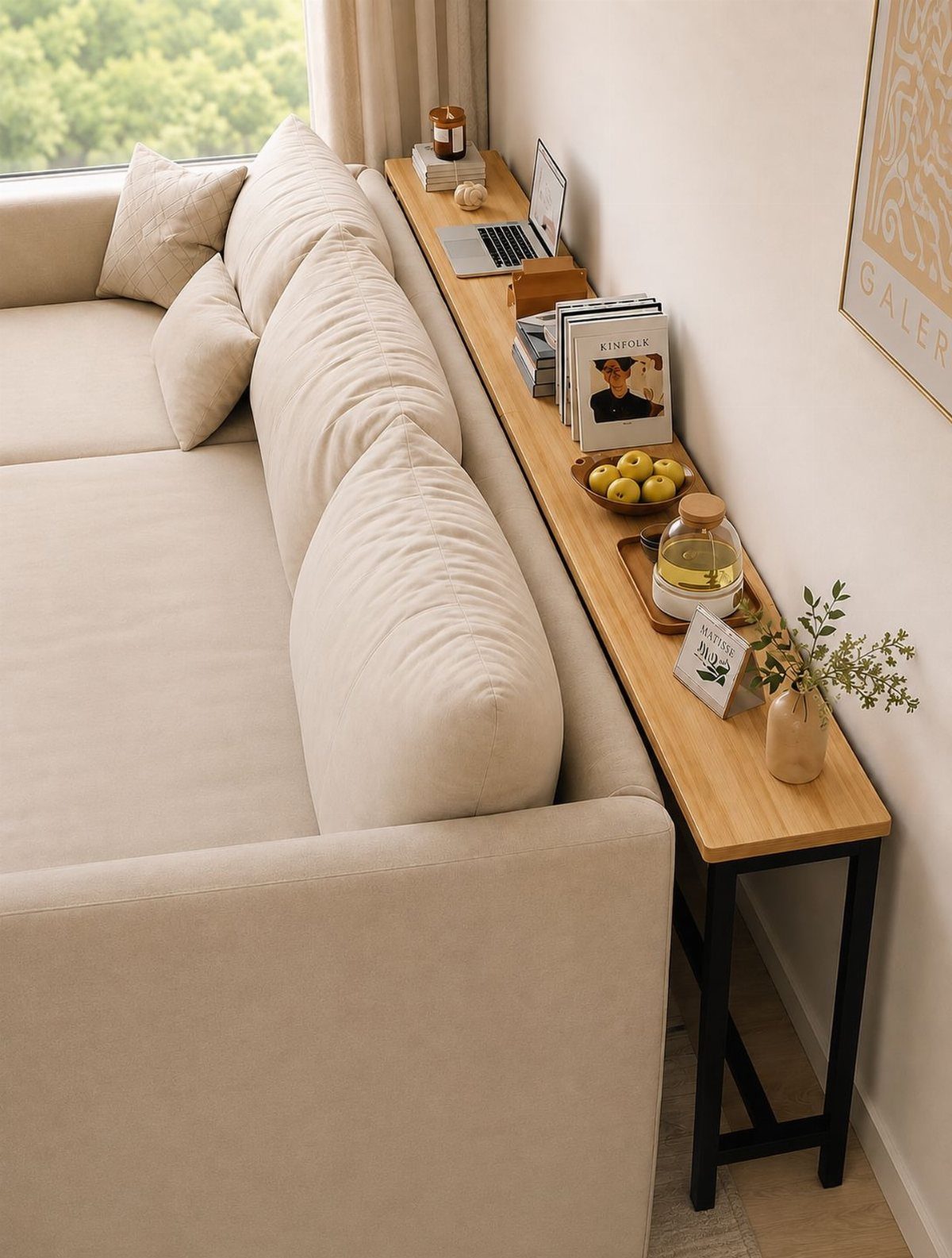
Behind a couch that sits away from the wall, a wooden console table gives the open back a purpose. It can hold a laptop for working, a stack of books or a vase, all within reach of whoever is seated.
Pick a table about as long as the sofa, and just slightly lower than the back cushions so it looks tucked in. Leave a few inches of gap so nobody bumps it when they sit.
A lamp here would also light the couch from behind.
5. Use Multi-Functional Furniture
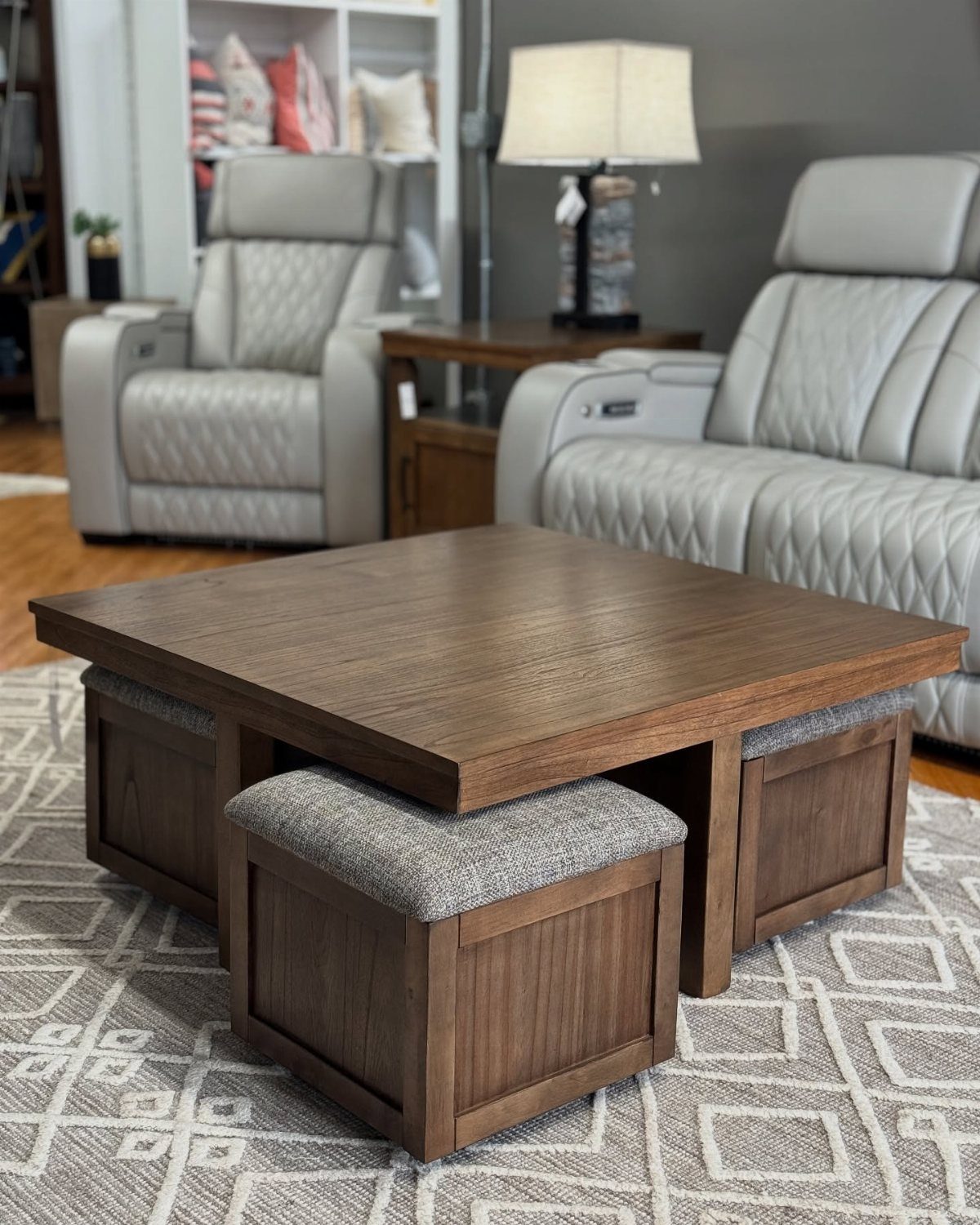
Nested ottomans under a coffee table give you extra seats without adding another piece of furniture. Pull the grey ones out when guests arrive, and slide them back in so the middle of the room stays open.
Look for ottomans that clear the tabletop height with a little room to spare, or they will not tuck all the way in. Wipeable or tightly woven fabric holds up better with kids and snacks.
For a room with a floating couch, this is the smartest single buy I can think of.
6. Bold Colors and Various Textures
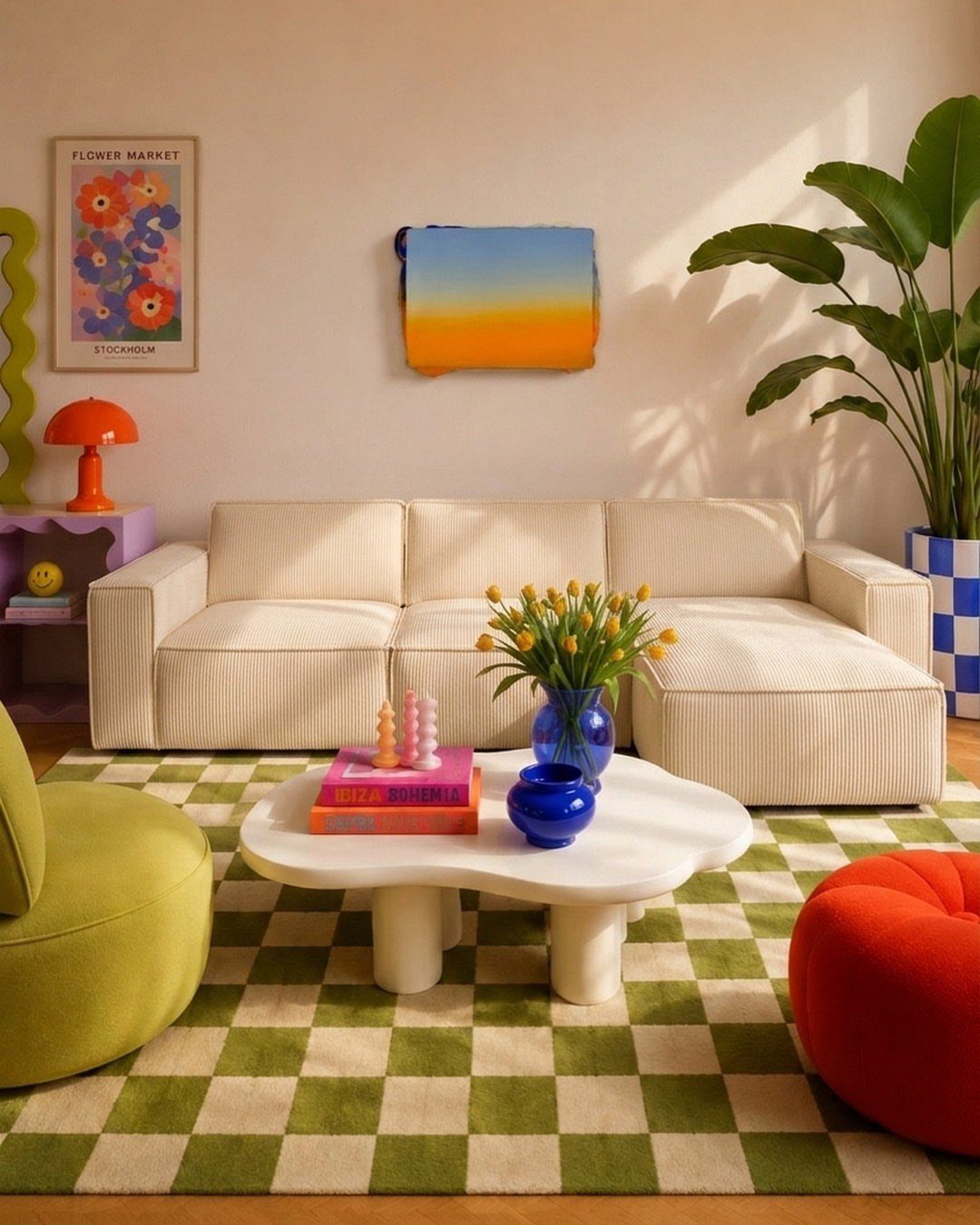
A neutral ribbed sofa is a good backdrop for strong color, because the pops land on a calm base.
Limit yourself to a few bold colors, and repeat each one at least twice, say in the art and a pillow. Vary texture too: ribbing, a checked weave and smooth wood keep bright colors from looking flat.
Start with the rug if you only buy one thing.
7. Curved Sofa Layout
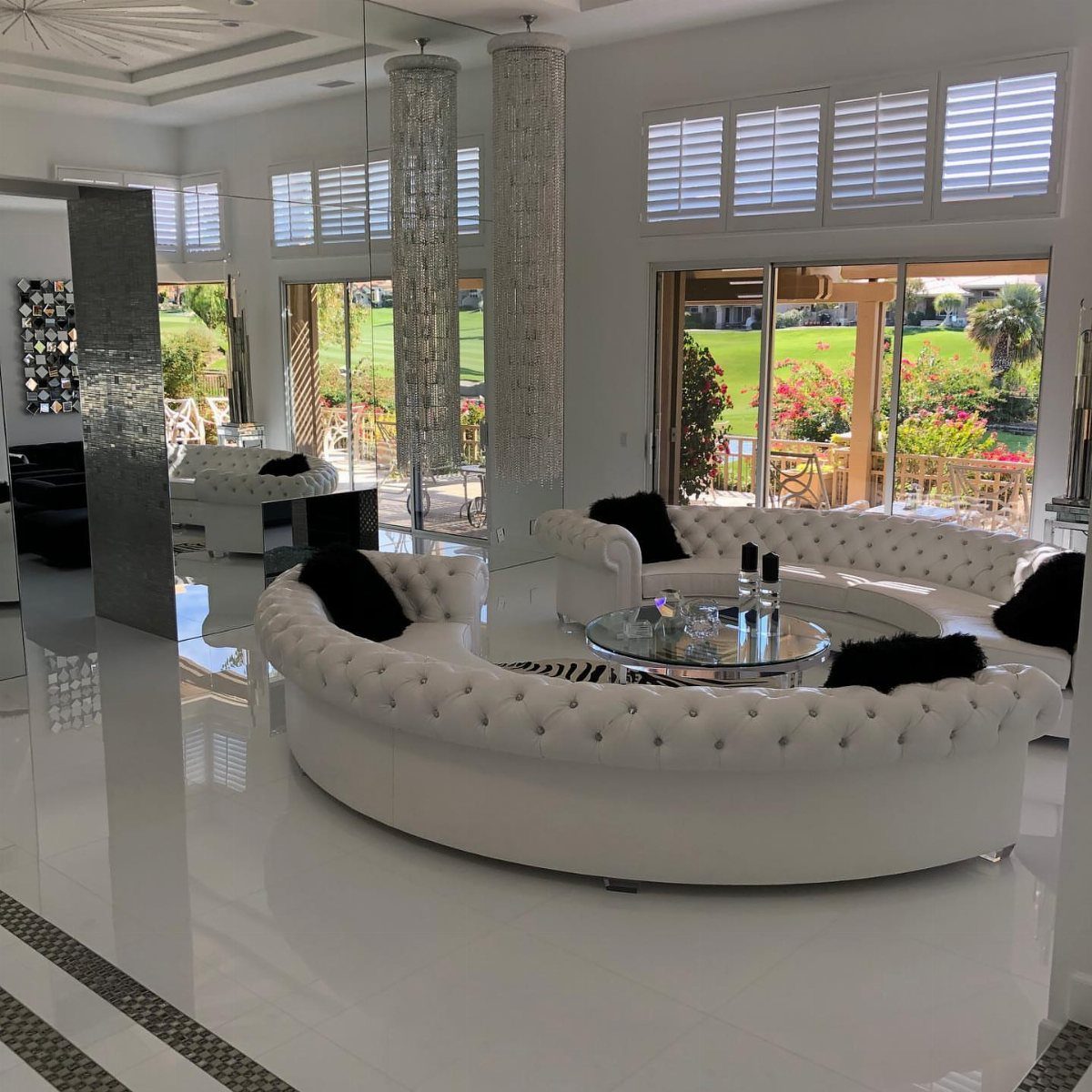
A curved sofa softens a room with no right angles to bump into, and it makes a round coffee table the obvious partner. The glass top here keeps sightlines open, which helps when the sofa is this big.
Leave the curve’s open side facing the focal point, whether that is a window or a TV, and keep the table inside the arc. Small pillows in a dark color give the white upholstery some definition.
A curved piece wastes corner space, so measure before you buy.
8. Floating Sofa Between Living and Dining Areas
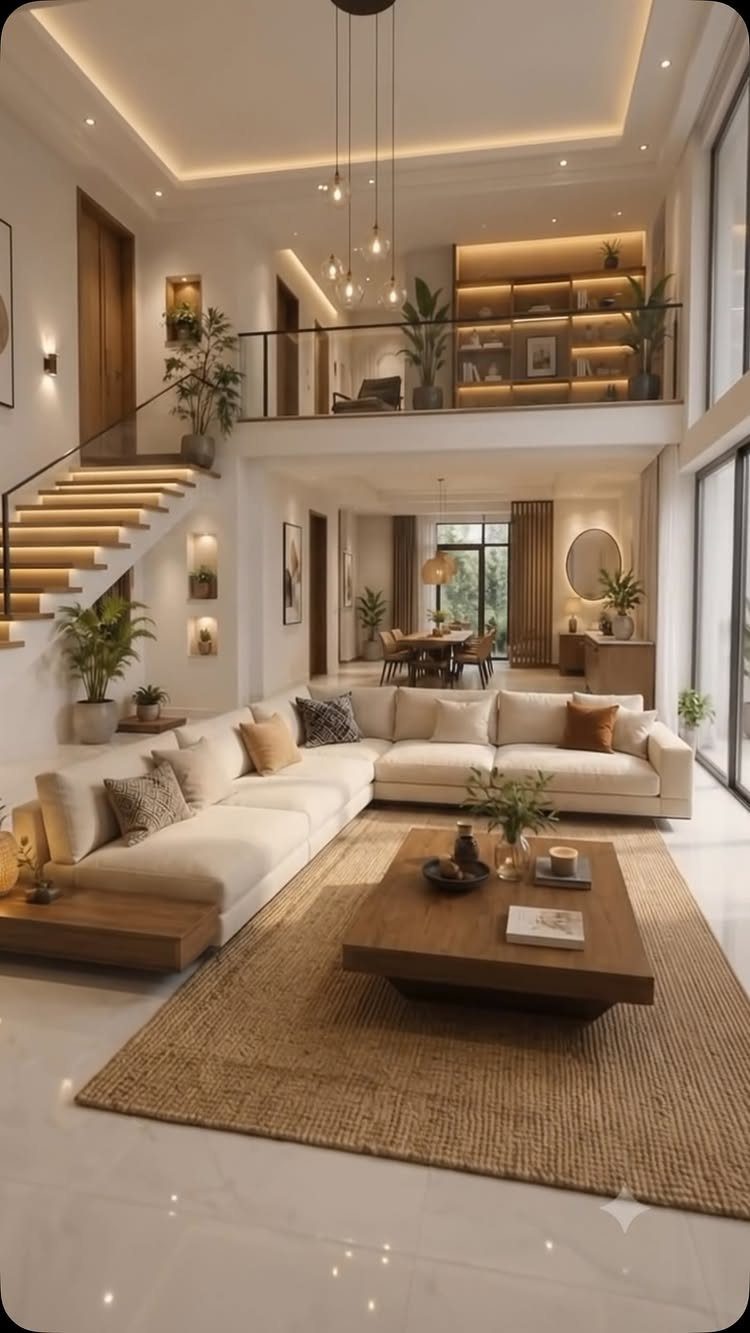
Set a sectional with its back to the dining table and the sofa becomes the wall. The long side marks where the living area ends, and nothing has to be built.
Anchor it with a rug, jute being a sturdy choice, so the seating reads as its own zone. Then check that the walkway between sofa back and dining chairs is wide enough to pass without turning sideways.
A narrow console behind it can finish the line.
9. Use a Rug
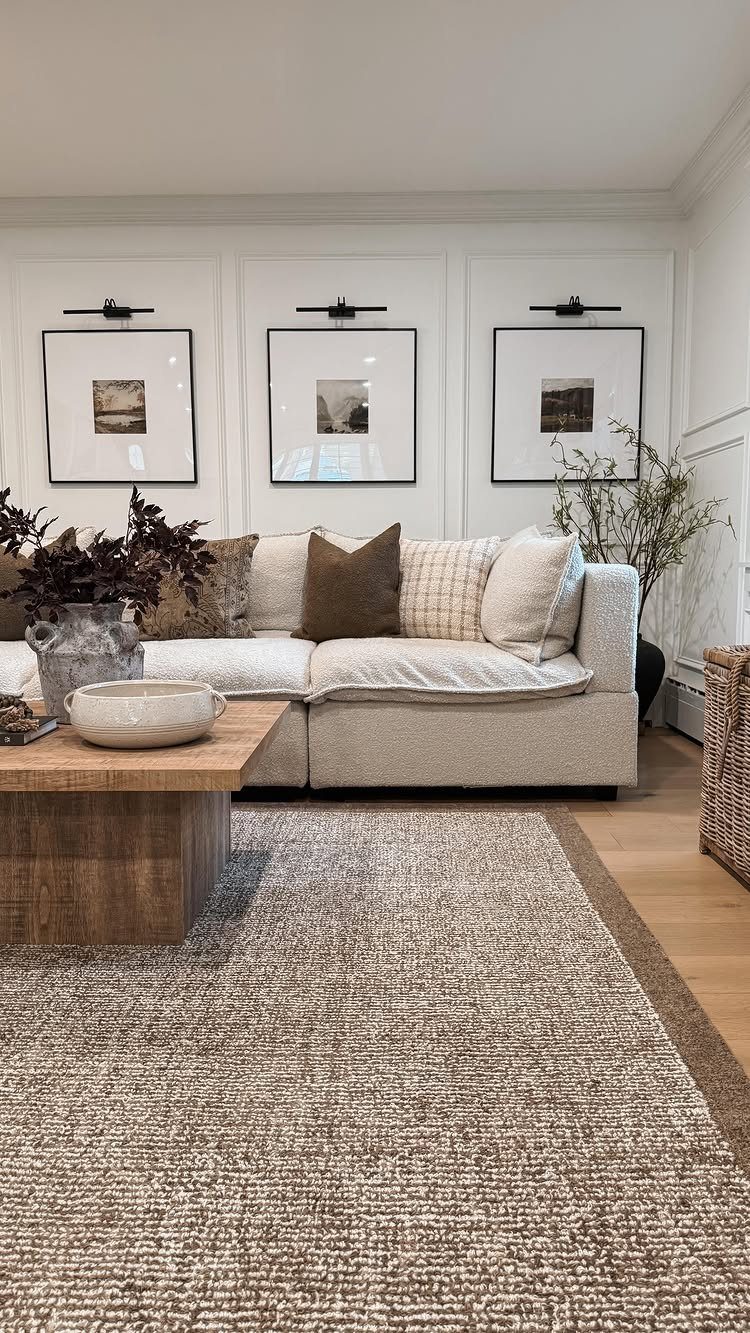
The rug needs to reach far enough that the sofa’s front legs land on it, at minimum. A rug that stops short of the furniture makes the whole arrangement look like it is floating by accident.
A textured beige weave suits a white sofa because it adds depth without adding a competing color. Wood and cream in the coffee table and pillows hold the colors together without noise.
Buy the size up if you are between two. Too big rarely looks wrong, and too small always does.
10. Decorative Screen Behind the Couch
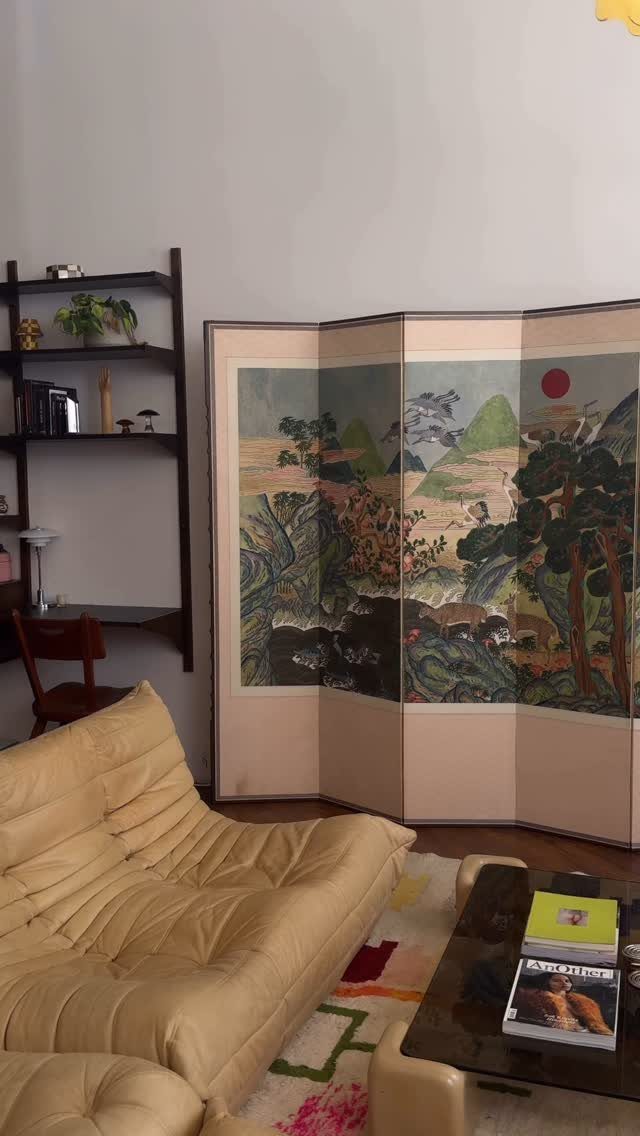
A folding screen behind a floating couch gives the back of the sofa a backdrop and a bit of privacy, with no drilling or permanent change. That suits renters, since it folds away and moves with you.
Place it a few inches behind the sofa and open the panels in a gentle zigzag so it stands on its own. Choose one with artwork you like, since it becomes the focal wall.
Tan leather and a painted landscape make an easy, quiet pairing.
11. Low-profile Modular Sofa
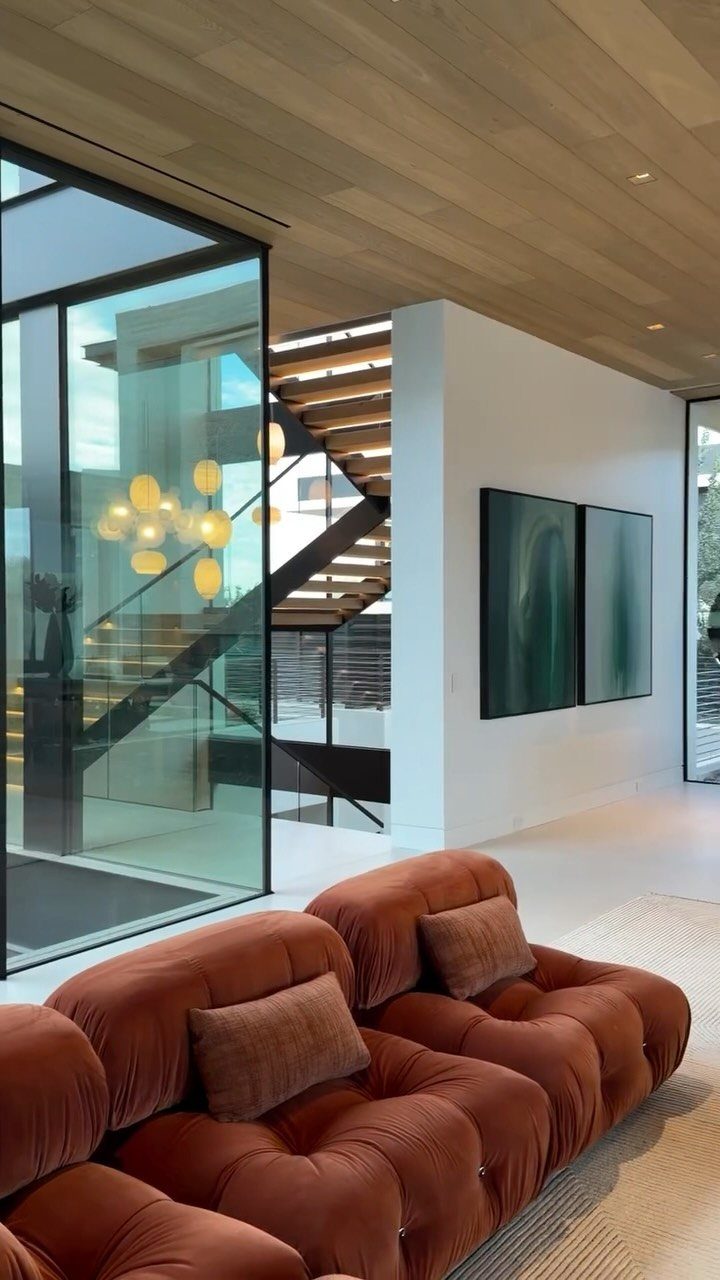
A low, modular sofa keeps sightlines open, which matters in a room with glass walls. Rust is a strong color, so let it carry the room and keep the walls and surrounding pieces plain.
Modules let you shape the seating to the space: a straight run, an L, or separate pieces you can rearrange later. Start with the number your floor can hold comfortably, then add one if you have room.
Test the seat height by sitting before you commit.
12. Built-in Bookshelf on Sofa Back
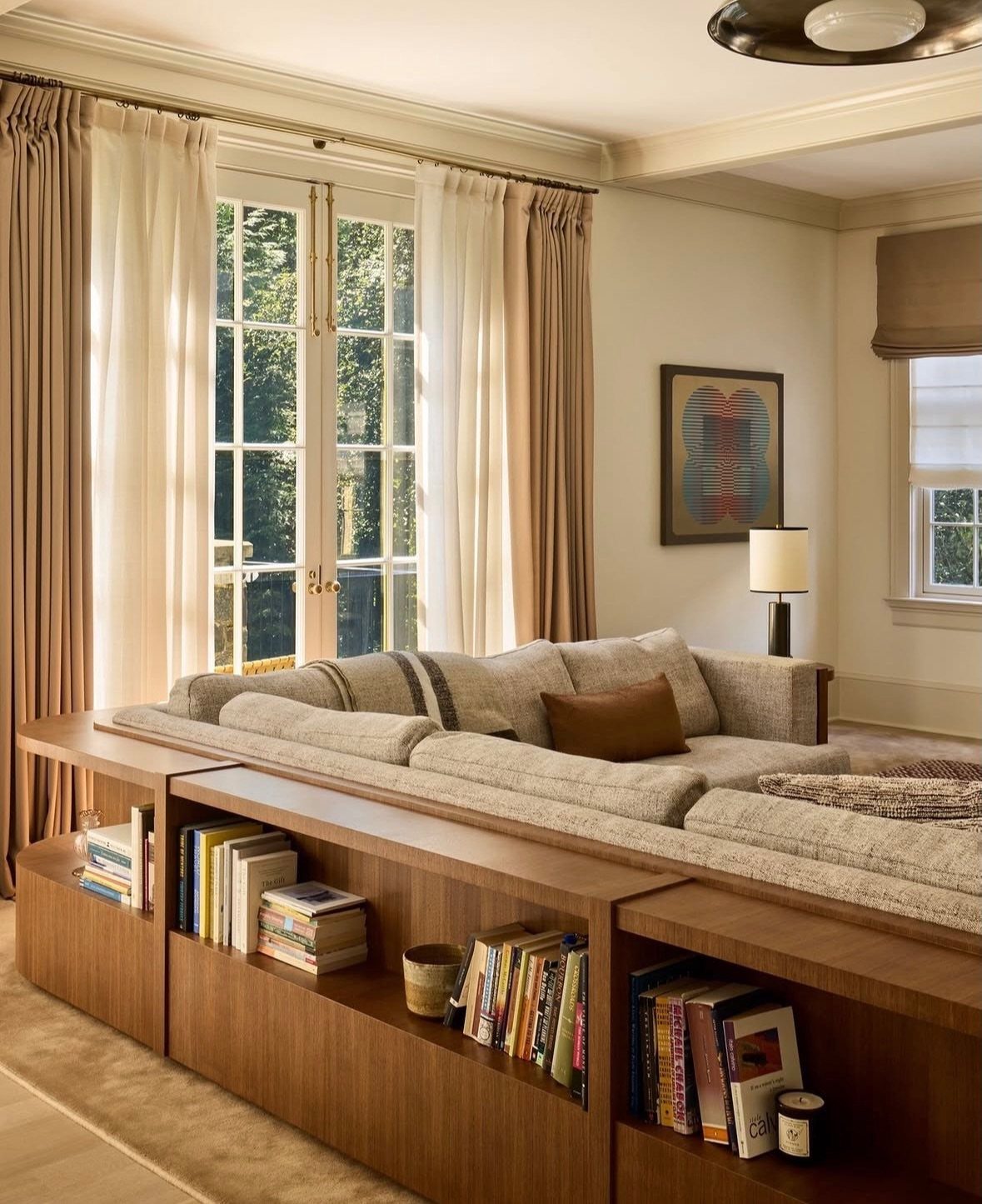
A bookshelf built onto the back of a sectional turns the open side into storage and a divider at once. Wood against light beige upholstery gives the room warmth without adding more color.
Keep the shelf low enough to sit behind without blocking light from nearby doors. Fill it with books and a few objects rather than packing every inch, so the sofa does not look heavy.
A lamp nearby makes the shelf useful after dark.
Consider Room Size and Shape
Room size decides this before taste does. In a small room, a couch against the wall saves floor space, and sometimes it is the only way the seating you want will fit.
A floated couch can also suit a small room. With the sofa off the walls, you can put built-in bookcases, a sideboard or other storage along them, and the room may feel bigger for it.
Measure first, then tape the sofa’s footprint on the floor and walk around it for a day.
Evaluate Functionality
Start with how you use the room. If the room exists for watching TV, a couch against the wall lines up the sight line and that usually settles it.
Next, decide how much seating you need. Do you host often?
Does everyone pile in on Friday night to watch something? Then decide where the TV will go and which wall it needs, because those answers limit where the couch can sit.
In a big room, avoid pushing everything to the walls.
Aesthetic Preferences
Your taste should tip the decision.
If you prefer things neat and squared off, a couch pushed to the wall gives you that. If you want the room to look intentional and finished, floating the sofa off the wall balances the layout and reads as deliberate.
Floating does not have to cost you function.
Pick storage that hides what you don’t want to see, like a console with closed shelves or end tables that have a drawer.
A sectional that comes apart in pieces lets you shift the layout when how you use the room changes.
Symmetry in interior design is often a designer’s best friend and sideboards or dressers are ideal for placing opposite sofas or mirroring large windows and fireplaces,’ says Martin Waller, founder of Andrew Martin.
Frequently Asked Questions
What to put behind a couch in the middle of a room?
A wooden console table is my first pick. It turns the empty back of the sofa into a surface for a laptop, a water glass or a small plant.
Match its length to the sofa and keep it a few inches shorter than the back cushions, with a small gap between them. A folding screen or a low bookshelf also works if you want a divider.
Should a sofa touch the wall?
Usually it shouldn’t. A small gap stops the space from looking tight, even when square footage is scarce.





